Powered by Quotezone
Insurance comparison information
Prudent Plus Limited is an Introducer Appointed Representative of Seopa Ltd, Floor 4, Blackstaff Studios, 8-10 Amelia Street, Belfast, BT2 7GS. Seopa Ltd is authorised and regulated by the Financial Conduct Authority, FRN 313860. Quotezone is a trading style of Seopa Ltd and provides the insurance comparison service.
Prudent Plus Limited may receive a commission if a policy is purchased following an introduction, at no additional cost to you. We do not provide personal insurance advice.
You don’t need a complicated website to look professional. For most plumbers, a clean, clear site with your services, contact details, and a few photos of real work will do more than any flashy design ever could. The goal is simple: help local customers find you, trust you, and reach you quickly when they need help. Everything else is decoration.
Start with the Basics
Before diving into layouts or logos, decide what your site must do. For most plumbing businesses, that means three things:
- Show what services you offer; emergency repairs, boiler work, bathroom installs, or maintenance.
- Explain where you work; make sure your local area or town names are clear.
- Make contact easy; phone, email, and preferably a simple form for enquiries.
Once those boxes are ticked, you already have the foundation for a strong website. Keep it lean and practical; no one visiting a plumber’s site wants to read through pages of filler.
Choosing a Platform
If you’re building the site yourself, there are plenty of tools that make it straightforward:
- WordPress: Highly customisable, with lots of free themes suitable for trades. Great if you want long-term flexibility.
- Wix or Squarespace: Drag-and-drop builders that get you online fast. Ideal if you don’t want to deal with coding or hosting setup.
- Google Sites: Free and simple for a one-page online presence that still looks tidy on mobile devices.
For most sole traders, a single-page design works best; quick to load, easy to navigate, and perfectly fine for Google search visibility if written properly.
What to Include
Every section of your website should earn its space. Focus on clarity and real detail rather than buzzwords. Here’s a basic structure that works well:
- Home: A short welcome paragraph explaining who you are and what you specialise in.
- Services: Bullet points work best; list your main areas like leak repairs, boiler servicing, heating installation, or bathroom fitting.
- About: A brief background builds trust. Mention your experience, qualifications, and approach to customer care.
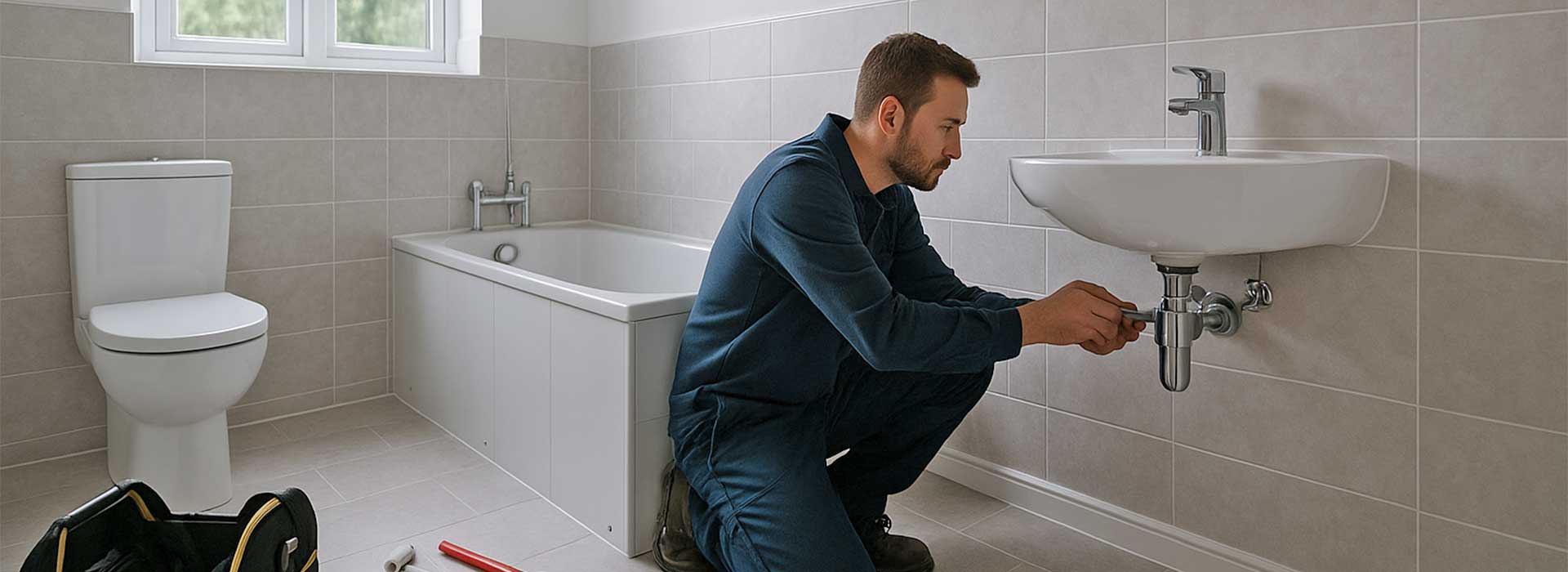
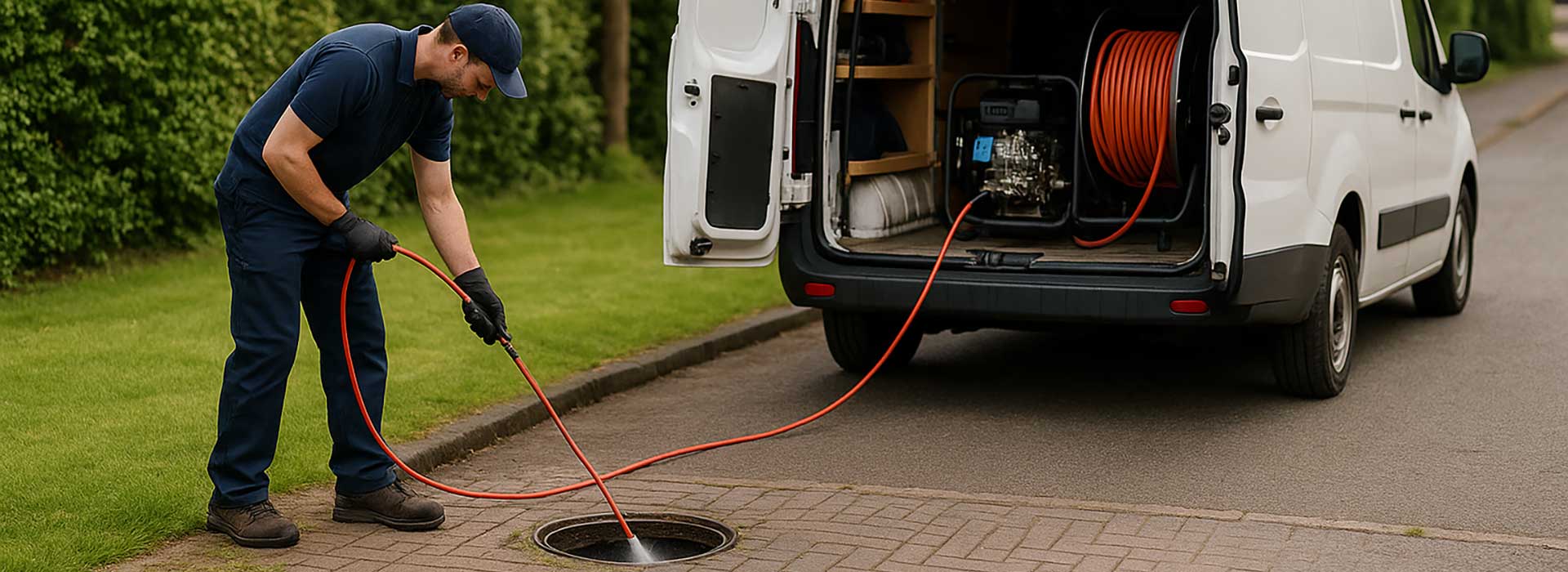
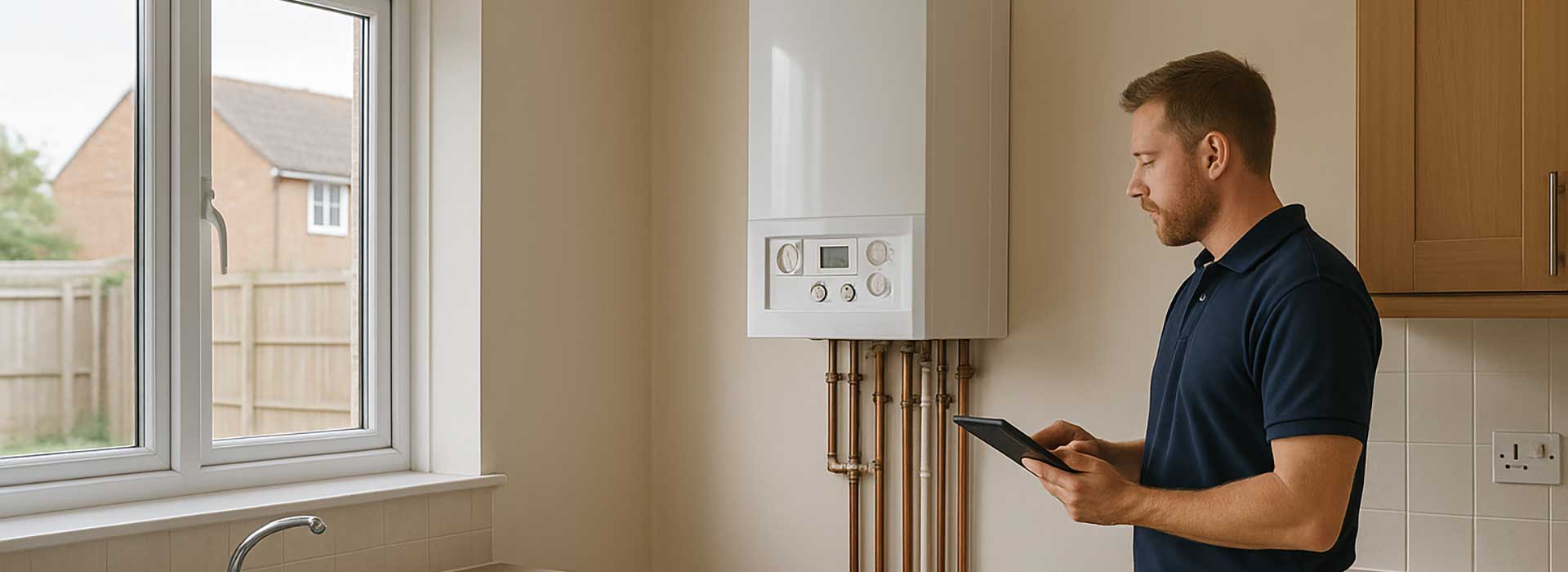
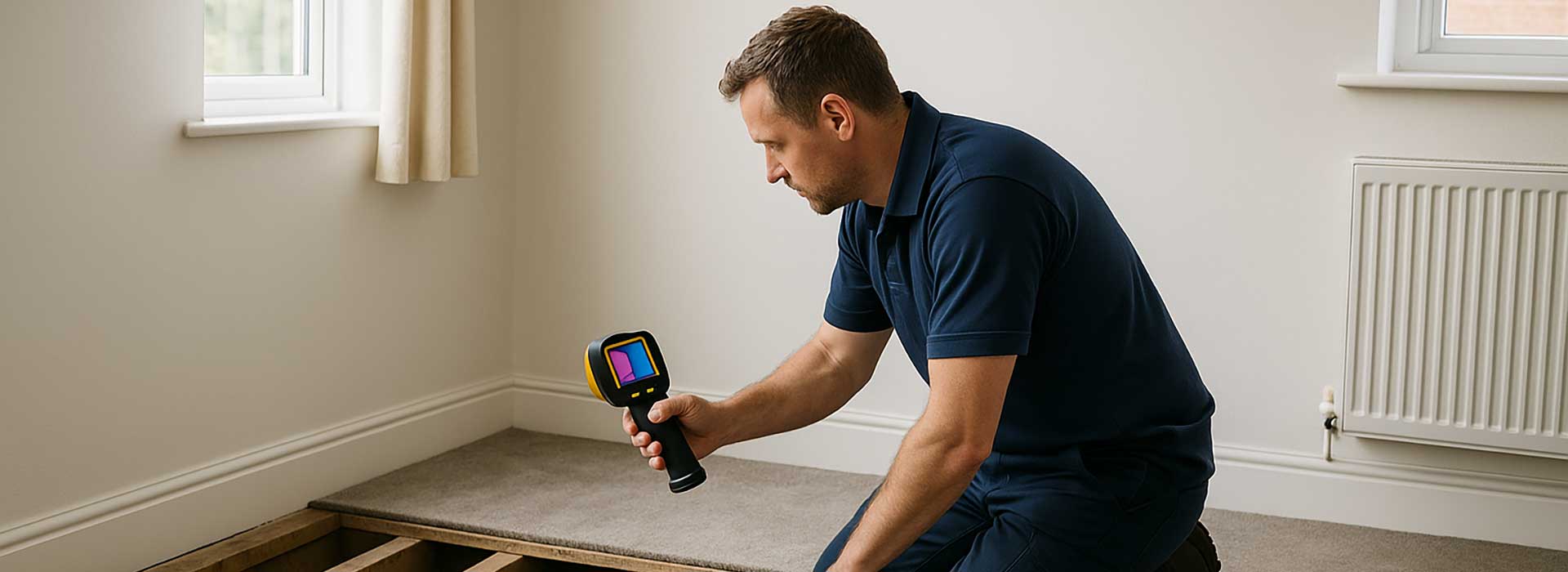
- Gallery or Work Examples: Photos of real installations or repairs; nothing polished, just neat workmanship and tidy finishes.
- Contact: Your phone number, email, and preferably a contact form that works from mobile devices.
Keep it all straightforward, written in your own voice, and free from overblown marketing phrases. Customers just want reassurance that you’re competent, local, and available.
Writing for the Web
Online, people skim. Keep paragraphs short, sentences direct, and language natural. Use local references; towns, landmarks, or service areas; so potential clients feel you genuinely know the patch. Search engines like it too, because they match local content with nearby users.
If you’re not comfortable writing, start with simple notes and tidy them later. What matters is clarity, not perfect grammar. A human tone works far better than polished corporate copy.
Adding Photos and Trust Signals
Nothing sells your work like seeing it. Use your phone camera to capture neat pipework, boiler installs, or finished bathrooms. Just make sure you have permission if the work was done in someone’s home.
Also include a few trust signals: Gas Safe logos (if applicable), public liability insurance details, and perhaps short customer comments or Google review snippets. They build confidence without needing long testimonials.
Making It Work on Mobile
Most people searching for plumbers are on their phones; often in a hurry. Check that your site loads quickly, that buttons are easy to tap, and that your phone number is clickable. A slow or cluttered site can lose a customer in seconds. Simplicity almost always wins.
Keeping It Updated
A plumbing website doesn’t need weekly changes, but a little maintenance goes a long way. Review it every few months to ensure your phone number, service list, and pricing notes are still current. Add new photos or projects occasionally to keep it fresh. Search engines notice when a site is active, and so do potential customers.
Summary
Creating a simple plumbing website isn’t about design awards; it’s about clarity and trust. A clean page with your real details, photos of real work, and straightforward wording does the job perfectly. Build it once, keep it updated, and it’ll quietly bring you steady work year after year. Think of it as the digital version of your business card; always ready, always professional.