Powered by Quotezone
Insurance comparison information
Prudent Plus Limited is an Introducer Appointed Representative of Seopa Ltd, Floor 4, Blackstaff Studios, 8-10 Amelia Street, Belfast, BT2 7GS. Seopa Ltd is authorised and regulated by the Financial Conduct Authority, FRN 313860. Quotezone is a trading style of Seopa Ltd and provides the insurance comparison service.
Prudent Plus Limited may receive a commission if a policy is purchased following an introduction, at no additional cost to you. We do not provide personal insurance advice.
More homeowners are curious about energy-efficient heating and water systems, but many still find the idea confusing or expensive. As a plumber, your job isn’t just fitting the hardware; it’s helping customers understand why eco upgrades make sense in the real world. Clear communication, not sales talk, is what wins trust and repeat work.
Start with Everyday Benefits
When you talk about eco-friendly options, skip the jargon. Most customers care about saving money, reliability, and comfort, not technical terms. Focus on what they’ll notice day to day:
- Lower gas or electricity bills over time.
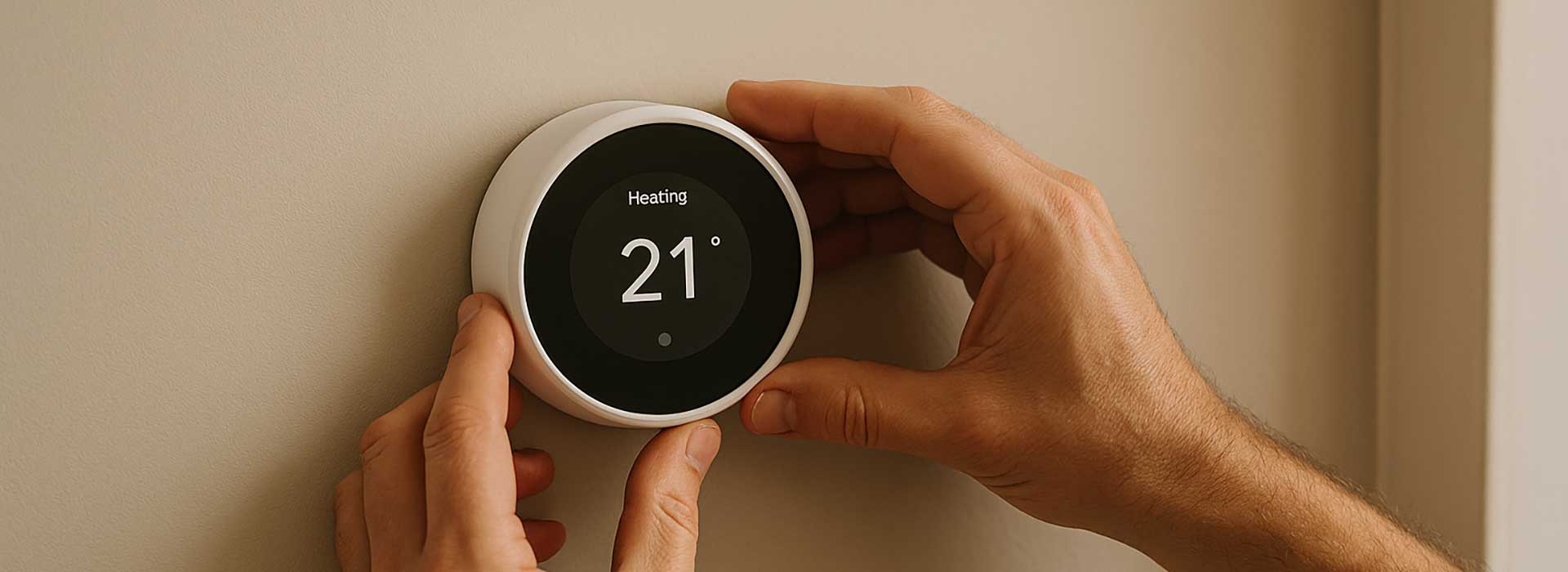
- Better temperature control through smart thermostats.
- Longer system lifespan with modern, efficient components.
- Less waste; both water and energy.
People connect more with what they can see and feel than with efficiency percentages. Keep the explanation grounded in their home, not in theory.
Use Plain Comparisons
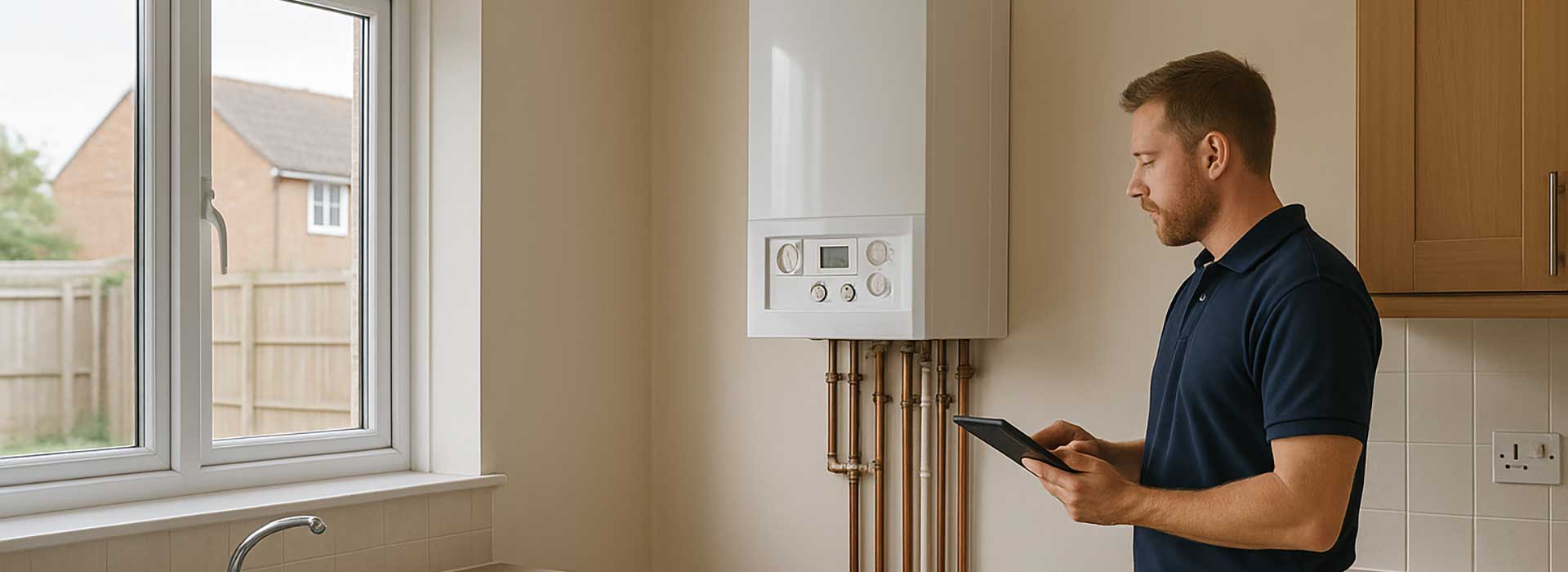
Eco upgrades often sound abstract until you relate them to something familiar. Compare a new condensing boiler to an old non-condensing model in simple terms: same job, less waste. Explain that smart controls don’t replace them; they make existing systems work better. A short, relatable comparison helps customers see the value without needing a background in engineering.
Tailor the Conversation
Every home and household is different. A retired couple living in a small bungalow won’t need the same setup as a busy family with high hot water demand. Ask questions before recommending anything; how many people live there, how old the current system is, and what they’d like to improve. That turns the conversation from a pitch into problem-solving, which customers appreciate.
It also gives you a clearer idea of what to recommend. For example, someone worried about rising bills might benefit most from a smart control upgrade, while an older property might suit a new system boiler with better zoning.
Be Honest About Costs and Payback
It’s better to be upfront about installation costs and expected savings than to promise quick returns. Most eco upgrades pay off gradually through reduced bills and maintenance savings. Explain that clearly. Customers respect tradespeople who deal in facts, not buzzwords.
If you can, show examples; not from brochures, but from your own experience. Saying, “I fitted one like this last year and the customer’s seen a steady drop in their bills” sounds genuine and builds trust.
Highlight Long-Term Value
Eco systems aren’t just about saving the planet; they make homes future-proof. With government targets tightening and fuel prices shifting, efficient systems protect customers from future costs. Framing it that way helps people see an upgrade as an investment, not a luxury.
Maintenance plans can also fit into this conversation. Regular servicing keeps eco equipment performing efficiently, extending the lifespan and keeping warranties valid; something that reassures cautious buyers.
Keep It Visual
Many customers understand better when they can see what you mean. Use photos from previous jobs or simple diagrams to show how components fit together. Point out compact units, clean pipework, or integrated controls to make the upgrade feel tangible. If they can picture it in their home, the decision becomes easier.
Stay Informed and Credible
Eco technology changes quickly, so keep your knowledge current. When you can explain the difference between heat pumps, system boilers, and hybrid setups in plain English, you sound confident and trustworthy. If you’re Gas Safe registered or hold manufacturer training certificates, mention them; they add quiet credibility without needing to boast.
Summary
Explaining eco upgrades is about clarity and empathy, not sales talk. Focus on comfort, savings, and reliability, use everyday examples, and be transparent about costs. When customers feel you’re guiding them rather than selling to them, they’re far more likely to say yes; and to recommend you to others. That’s how good communication turns into lasting business.