

Whether you’re posting on your own website, social media, or a trade platform, clear job descriptions make all the difference. They help customers understand what you do, set expectations before they get in touch, and save time for everyone involved. A well-written description isn’t just about selling your services; it’s about being precise, practical, and trustworthy.
Start with the Basics
Every job description should make three things instantly clear: what the work involves, where you operate, and how customers can contact you. For example:
“Domestic and commercial plumbing services across Leeds and West Yorkshire; from emergency repairs to full bathroom installations. Call or message for a free, no-obligation quote.”
This tells readers who you are, what you offer, and where you work, all within a few seconds. Avoid generic claims like “all jobs considered”; they don’t help customers decide if you’re the right fit.
Be Specific About Services
List the main types of work you take on. Group related tasks together, such as:
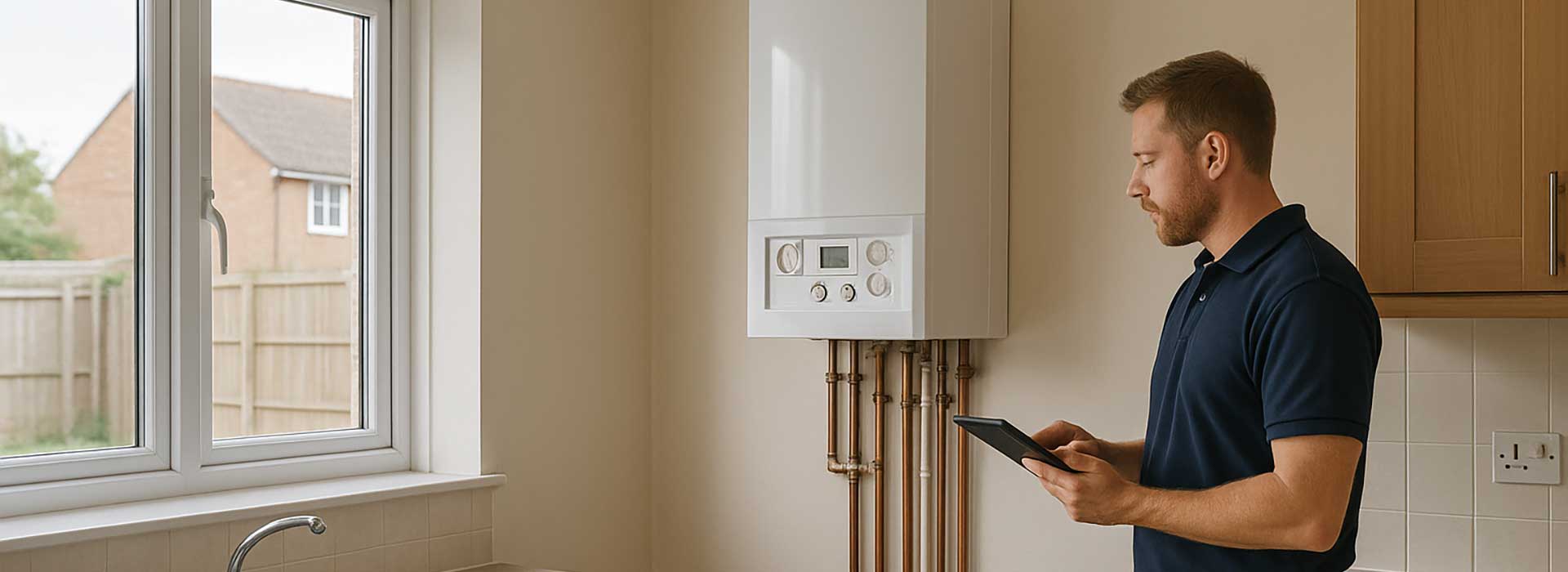
- Boiler servicing, repairs, and installations.
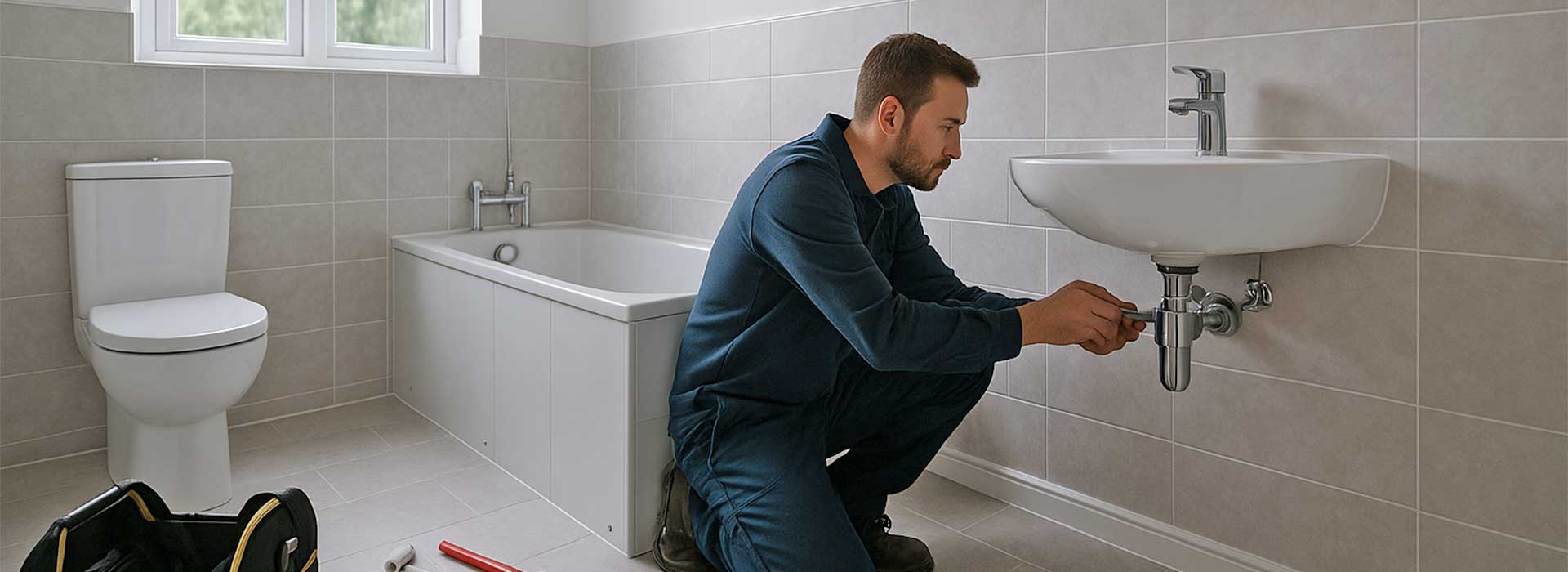
- Bathroom and kitchen plumbing.
- Radiator fitting and system balancing.
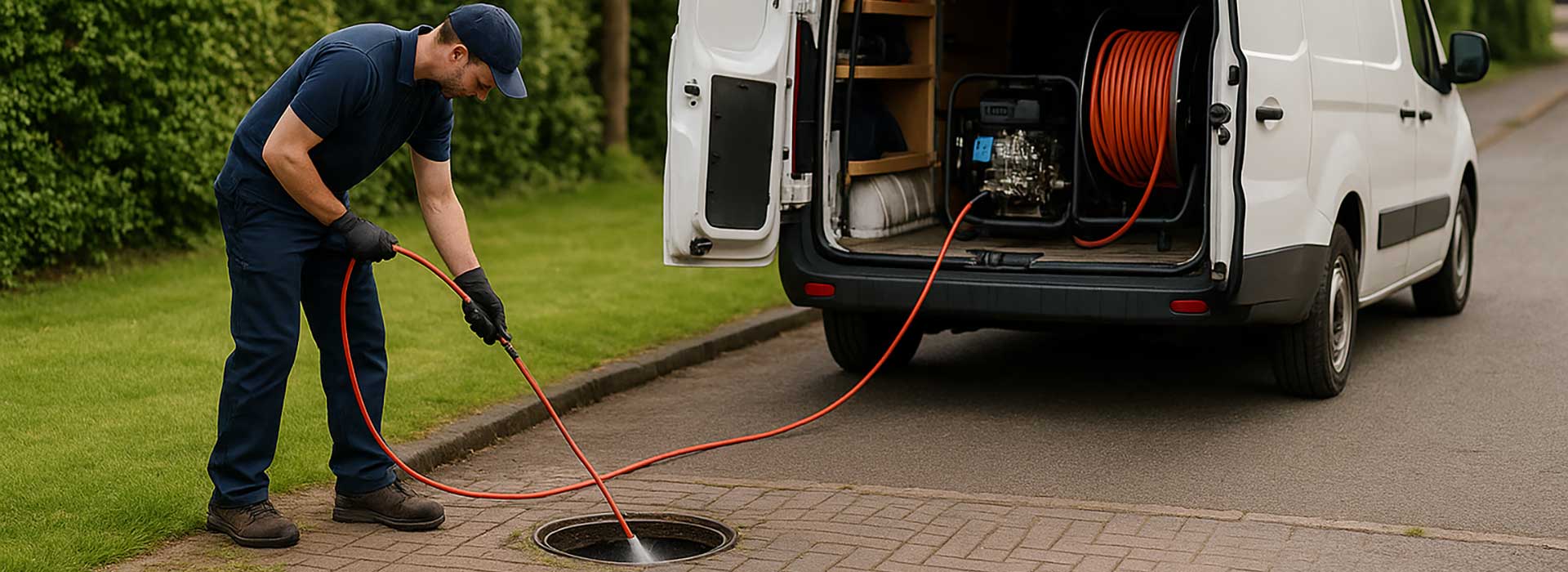
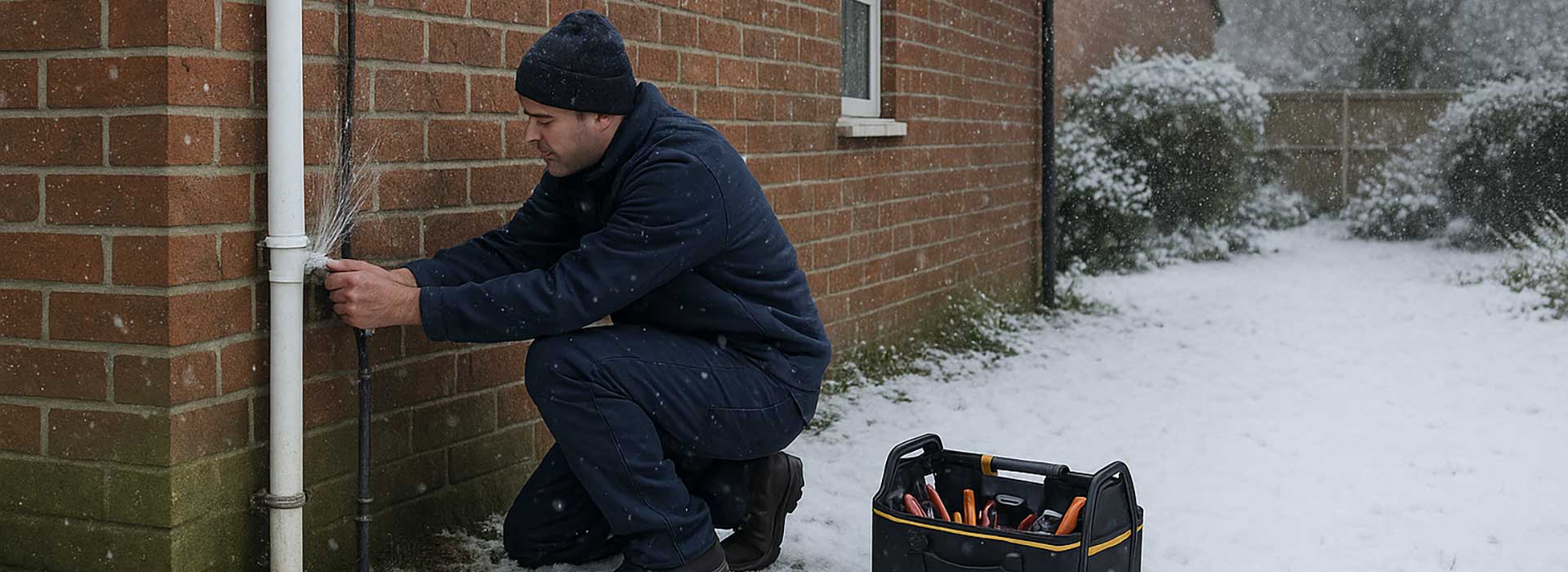
- Leak detection and emergency callouts.
Clarity here builds confidence. If customers can see exactly what you handle, they’re more likely to call you instead of scrolling to the next listing.
Include Qualifications and Experience
Mention any relevant registrations or qualifications; such as Gas Safe, NVQs, or specific manufacturer training. Customers care about competence and compliance, especially for heating or gas work. Keep it factual and avoid exaggeration. For example:
“Fully qualified plumber with over 15 years’ experience. Gas Safe registered and trained in Vaillant and Worcester systems.”
That kind of simple statement reassures potential clients without sounding promotional.
Explain What Customers Can Expect
Online listings attract people with all sorts of expectations, so it helps to set boundaries clearly. State if you charge by the hour or offer fixed quotes, whether you cover emergency callouts, and any limits on travel distance. This avoids time wasted on unsuitable enquiries.
Example:
“Standard hours Monday–Friday, 8 am–5 pm. Evening or weekend callouts available by arrangement.”
A short line like that saves awkward conversations later.
Keep the Language Plain
Customers aren’t always familiar with trade terms. Keep sentences short and use plain English. Instead of saying “install thermostatic blending valve assemblies”, say “fit thermostatic shower valves for safety and comfort”. Write how you’d explain the job in person. The clearer your description, the fewer questions you’ll need to answer later.
Add Local Detail
Local references make your listing appear more relevant in searches. Mention nearby towns or districts, but keep it natural. For example:
“Based in Swindon, serving homes and small businesses across Wiltshire, Oxfordshire, and Gloucestershire.”
Including local detail helps search visibility and reassures customers that you’re genuinely nearby.
Show Professionalism Without Fluff
You don’t need buzzwords or sales talk; just accuracy and a professional tone. Avoid phrases like “best in the area” or “no job too big or small”. Instead, focus on reliability, quality, and clear communication. Customers are looking for skill and trustworthiness, not slogans.
Keep It Updated
Review your online listings regularly. Update contact numbers, service areas, or new qualifications. Remove old offers or details that no longer apply. A neglected listing gives the impression that you’re not active, even if business is going well.
Summary
Writing clear job descriptions online is about precision, not promotion. State what you do, where you work, and how to reach you. Use plain language, include key details, and keep everything up to date. It’s a small effort that saves time, filters the right customers, and helps your business stand out for all the right reasons.