
Powered by Quotezone
Insurance comparison information
Prudent Plus Limited is an Introducer Appointed Representative of Seopa Ltd, Floor 4, Blackstaff Studios, 8-10 Amelia Street, Belfast, BT2 7GS. Seopa Ltd is authorised and regulated by the Financial Conduct Authority, FRN 313860. Quotezone is a trading style of Seopa Ltd and provides the insurance comparison service.
Prudent Plus Limited may receive a commission if a policy is purchased following an introduction, at no additional cost to you. We do not provide personal insurance advice.
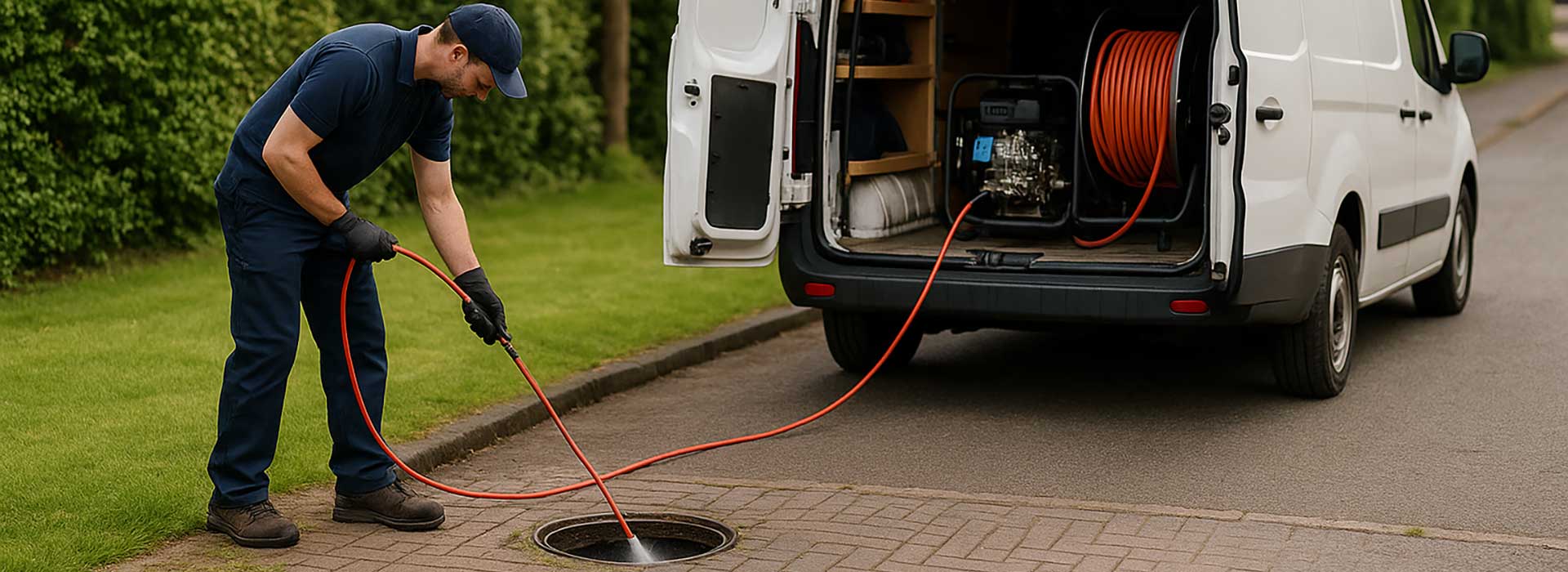
A jetting machine is one of the most valuable tools in a plumber’s kit. It shifts blockages fast, handles tough drain work, and saves hours compared with manual rodding. But like any piece of professional equipment, it only pays for itself if you look after it properly. Regular maintenance keeps performance high, extends lifespan, and prevents costly breakdowns in the middle of a job.
Why Regular Maintenance Matters
Jetting machines work under pressure; literally. Pumps, hoses, and nozzles all take a pounding with every use. Limescale, grit, and vibration can gradually wear down seals and fittings. A quick visual check before each job and a thorough inspection every few weeks will catch small faults before they turn into big repair bills.
Besides reliability, a well-maintained jetter performs better. Water pressure stays consistent, fuel use drops, and cleaning times shorten. That means less strain on the operator and a smoother day’s work.
Daily Checks Before and After Use
It’s tempting to pack up and move on after clearing a blockage, but a few minutes of routine checks can make all the difference. Each day:
- Inspect the hose: Look for kinks, cuts, or flattened areas. Replace damaged sections immediately; pressure leaks can be dangerous.
- Check water filters: Clean or replace them regularly. Sediment or debris restricts flow and shortens pump life.
- Flush the system: After use, run clean water through the jetter to remove grit and chemical residues. It prevents build-up inside the pump and hose.
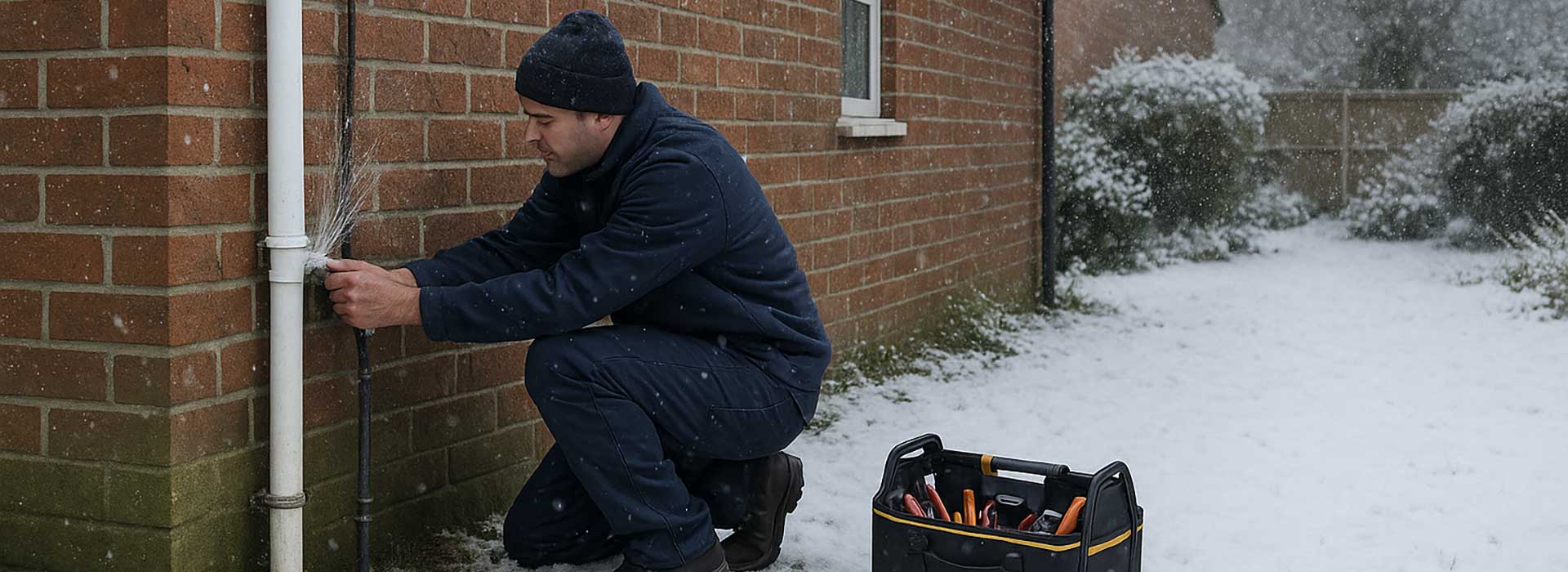
- Drain the tank: Empty any standing water if the machine will be stored overnight, especially in cold weather to prevent freezing damage.
Make it a habit to check fuel, oil, and coolant levels too. Neglecting these basics is the quickest route to costly downtime.
Weekly and Monthly Maintenance Tasks
Once a week, give the jetter a more detailed inspection. Look beyond the obvious wear and tear:
- Grease moving parts: Follow the manufacturer’s guidance for lubrication intervals. Bearings, reels, and joints need clean grease to prevent friction damage.
- Test the pressure gauge: Make sure readings are consistent. Sudden changes could indicate a blocked nozzle or failing pump seal.
- Inspect the nozzle set: Clean each nozzle carefully with a fine wire or brush. Avoid using nails or sharp tools; they’ll alter the jet pattern and reduce efficiency.
- Check for leaks: Examine fittings, O-rings, and couplings. A slow drip often means a worn seal that needs replacing before the next job.
Every month, clean or replace the pump oil filter if fitted. Dirty oil reduces pump performance and can lead to overheating.
Storage and Seasonal Care
Proper storage is just as important as day-to-day care. Store the machine in a dry, frost-free area, ideally under cover. If frost is likely, drain down completely or add antifreeze as per the manufacturer’s advice. Coiled hoses should be hung loosely; sharp bends cause weak spots that fail under pressure.
For van-mounted jetters, secure all components firmly and protect them from vibration. Check mounting bolts and brackets periodically; road movement can loosen them over time. Keeping the machine clean also makes inspections easier and helps spot leaks or cracks before they worsen.
When to Service Professionally
Even with good care, jetters benefit from a professional service once a year. A service technician will check pump alignment, valve condition, pressure settings, and safety shut-offs. They’ll also replace parts that are difficult to reach without specialist tools. Regular servicing not only keeps warranties valid but also ensures compliance with safety regulations for high-pressure equipment.
Common Signs of Trouble
Address any of these early and you’ll avoid a bigger problem later:
- Reduced water pressure or uneven jet pattern.
- Unusual noise from the pump or motor.
- Oil discolouration or milky appearance (a sign of water ingress).
- Hose vibration or jerking during use.
- Frequent tripping of thermal cut-outs or fuses.
Don’t push on with a faulty jetter. It’s not worth the risk to yourself or the equipment. Stop, diagnose, and repair before heading to the next job.
Summary
Maintaining a jetting machine isn’t complicated, but it does take consistency. Clean filters, well-greased joints, and a quick visual check after each use will keep it running smoothly for years. Treat it like any other professional tool; with care and respect; and it’ll reward you with reliable service, safer operation, and fewer unexpected repair bills.