
Every plumber remembers their first months on the tools; the mix of excitement, confusion, and the odd flood that teaches faster than any textbook. For those just starting out, it’s easy to get lost in fittings, brands, and buzzwords. But the truth is, good plumbing starts with a few solid foundations: practical habits, respect for safety, and a clear head for how systems actually work.
1. Understanding Water Systems
Before worrying about boilers or fancy controls, new plumbers should grasp the basics of how water moves. Learn the difference between gravity-fed and pressurised systems. Know what vented and unvented cylinders do. Understand flow rates, pressure loss, and why airlocks happen. Once you can visualise a system in your head; from stop tap to tap outlet; every job becomes far easier to plan and troubleshoot.
Spend time tracing pipe runs on real jobs. Note how seasoned plumbers route pipework neatly, avoid dead legs, and keep access clear. Those small details separate a tidy install from a frustrating one.
2. Safe Isolation and System Draining
Before you touch anything with water or gas, learn how to make it safe. Isolating supplies properly and draining systems fully are basic skills that prevent accidents and water damage. Never rely on just one valve, and always double-check before cutting into a pipe. A bucket, towels, and respect for gravity will save you from a lot of grief.
For heating systems, understand how to depressurise safely and protect components. Mistakes here are expensive; and usually wet.
3. Fittings, Materials, and Tools
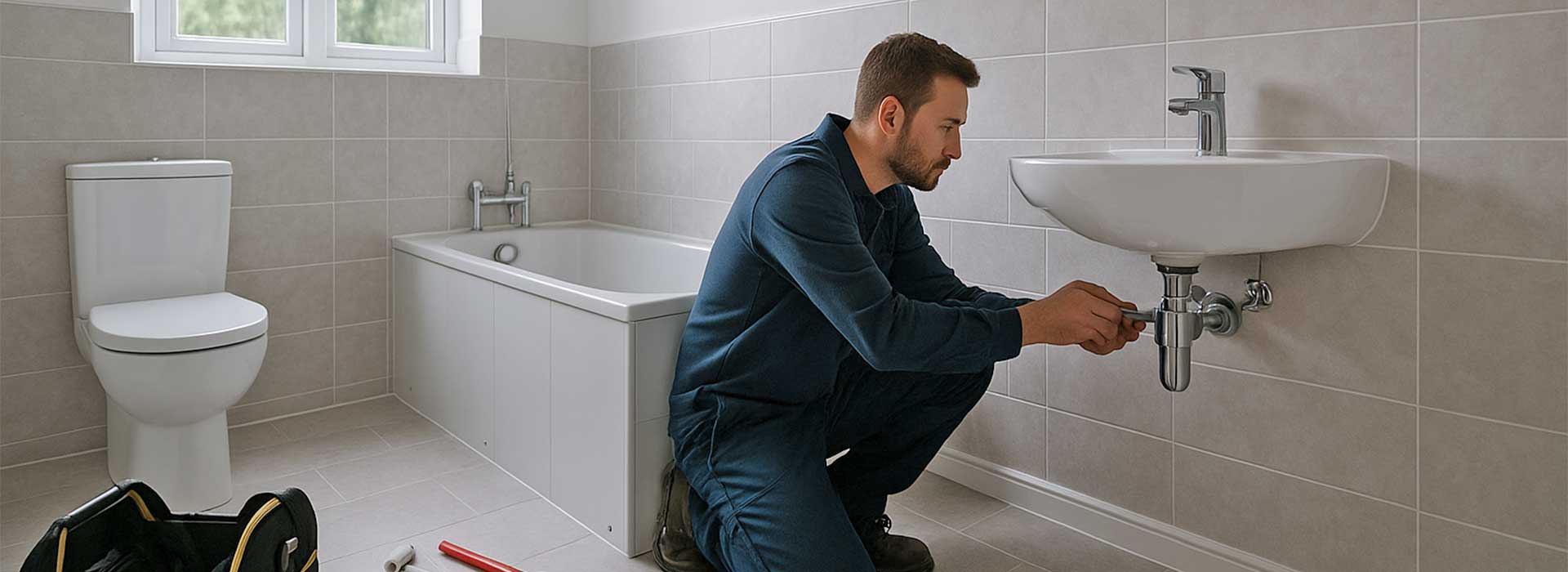
There’s no substitute for hands-on practice. Learn to recognise the different types of copper and plastic fittings, compression joints, push-fits, and soldered connections. Each has its place. So does each material: copper for heat resistance, plastic for flexibility, steel for durability. Knowing when and where to use them is part of your craft.
Tool knowledge matters just as much. Get comfortable with hand tools first; spanners, deburrers, pipe benders, cutters; before relying on power tools. Cleanliness and preparation are everything when it comes to a joint that lasts.
4. Reading and Following Regulations
UK plumbing is tightly linked to Building Regulations, Water Supply (Water Fittings) Regulations, and Gas Safe requirements. Early on, it’s worth learning where to find the official guidance and how to interpret it. The aim isn’t to memorise every clause but to understand why the rules exist; usually to protect health, prevent contamination, or ensure safety.
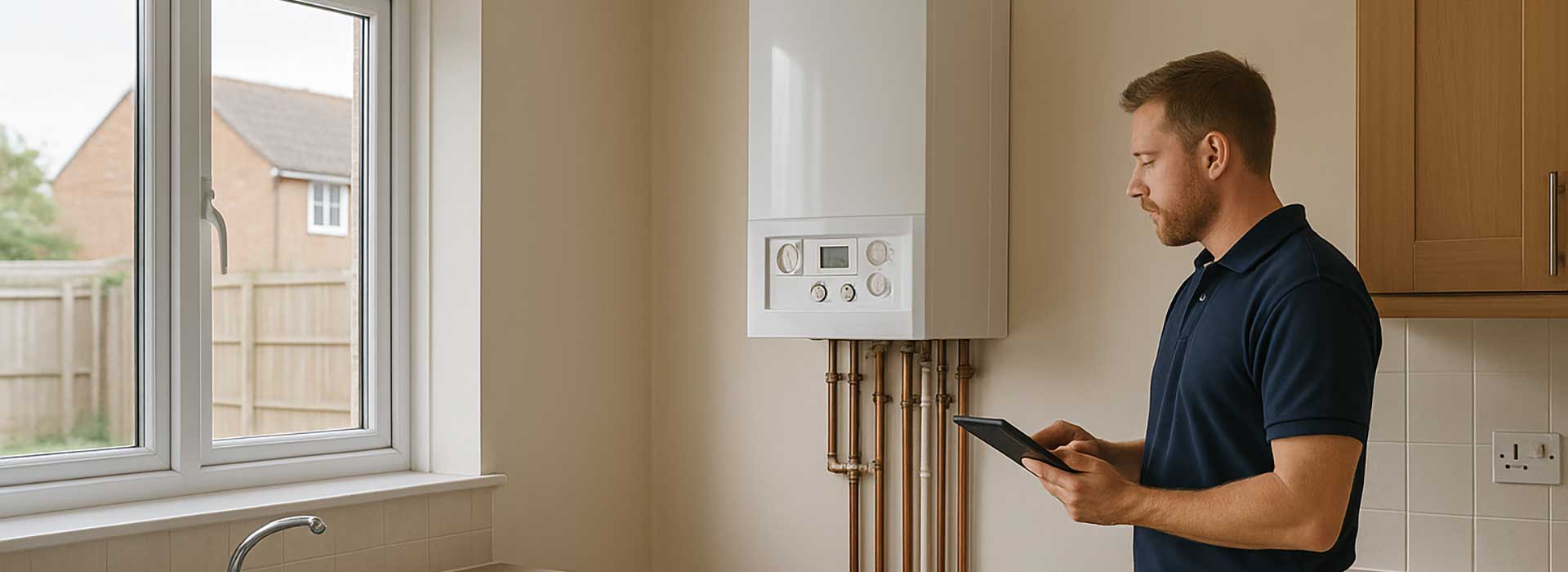
For water systems, learn about backflow prevention, pipe sizing, and insulation standards. For heating, get familiar with controls, efficiency ratings, and safe flue arrangements. These are the fundamentals that keep your work compliant and professional.
5. Communication and Customer Skills
Technical ability gets you started; communication keeps you employed. Always explain what you’re doing in plain English, not jargon. Keep customers informed about costs, timescales, and any changes. It builds trust and saves arguments later.
When something goes wrong; and it will, occasionally; take ownership. A calm, professional attitude fixes problems faster than defensiveness or excuses. Many plumbers find that word of mouth, built on reliability and honesty, is the best advertising they’ll ever need.
6. Learning from Others
Every experienced plumber has tricks you won’t find in training manuals: how to drain a cylinder faster, seal an awkward joint, or navigate tight spaces. Ask questions. Watch closely. Offer to help with the less glamorous jobs; you’ll pick up real-world knowledge far quicker than by just observing.
Keep a small notebook or app to record measurements, part numbers, or techniques you find useful. Over time, it becomes your personal guide; a record of lessons earned the hard way.
7. Taking Pride in the Small Things
The best plumbers aren’t just problem-solvers; they’re craftsmen. Straight pipe runs, clean solder joints, and neat clips all speak volumes about your standards. Customers notice, and so do employers. Take that extra minute to align fittings or clean up your work area. It might not be glamorous, but it builds a reputation for quality that will stay with you throughout your career.
Summary
For new plumbers, the first lessons aren’t about gadgets or shortcuts; they’re about mindset, safety, and precision. Master the basics of water systems, use your tools with care, follow the regulations, and learn from every mistake. The trade rewards patience and professionalism. Get those habits right from day one, and everything else; from confidence to steady work; will follow naturally.