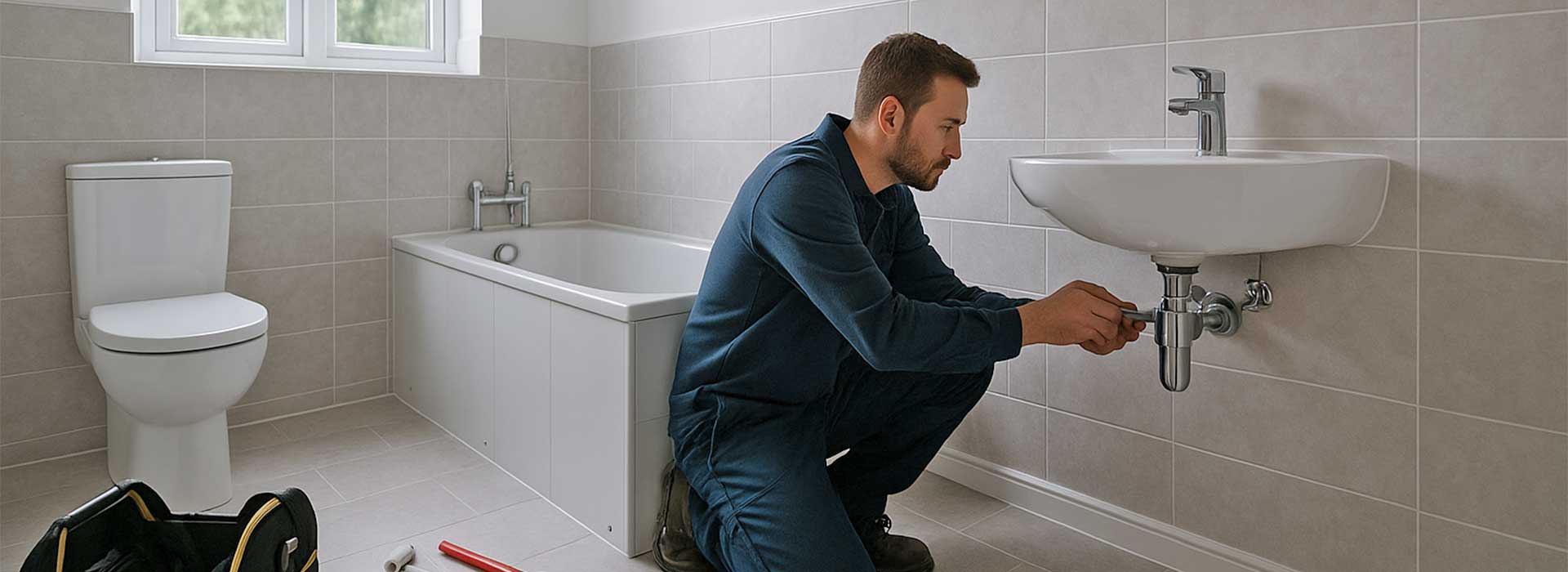
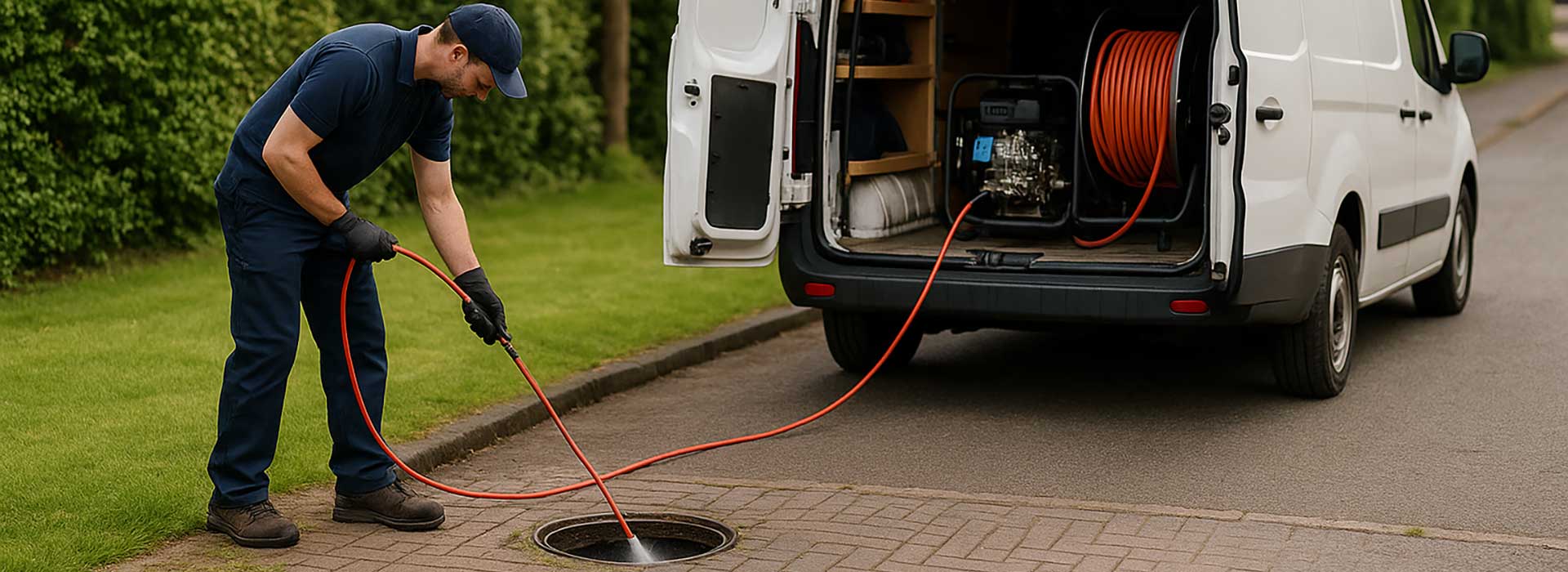



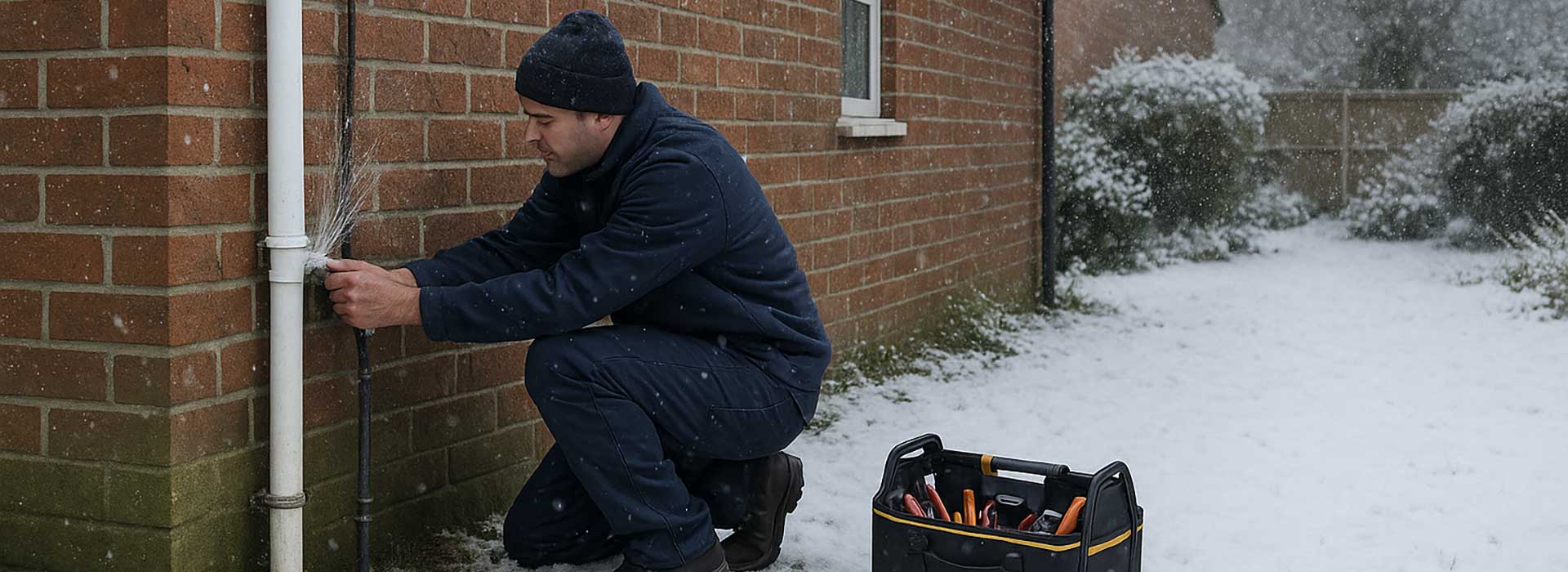
Every plumber knows the feeling: sitting in traffic between jobs, chasing missing parts, or waiting on a customer who’s not ready. Those wasted hours eat into your income and your energy. A bit of structure; nothing fancy; can turn that chaos into control. Here’s how to plan your day so you work smarter, not longer.
Start the Night Before
Good days begin with a few quiet minutes of preparation. Check your next day’s schedule, confirm appointments, and make sure the van’s stocked. Running out of fittings halfway through a job costs more than time; it breaks concentration and delays the next customer.
Keep a small notepad or digital checklist. Before clocking off, write down what’s booked, where it is, and what you’ll need. It sounds simple, but even a ten-minute review saves headaches the next morning.
Group Jobs by Location
Routing matters. Driving across town between every job wastes fuel, time, and patience. Try to group jobs by area whenever possible. Even small adjustments; tackling two calls in the same postcode; make a noticeable difference over a week.
Many plumbers now use map-based planning apps or simple route planners like Google Maps. They show you the most efficient order for your jobs and flag traffic delays early enough to avoid them. A few extra minutes planning your route can claw back an hour or more by day’s end.
Block Your Time Realistically
Be honest about how long tasks actually take. If a boiler service averages an hour and a half, don’t schedule it as an hour. Build in setup, travel, and those inevitable five-minute chats with customers. A packed diary looks good on paper, but it often ends in frustration when the timing slips and everything runs late.
Leave a small gap between jobs for travel and admin. It’s better to have breathing space than to rush from one job to another. Customers appreciate punctuality more than speed.
Plan for Breakdowns and Emergencies
Every plumber gets last-minute calls. The trick is to leave a little space for them; especially in winter when heating systems fail more often. Set aside one flexible slot each day that can absorb urgent work or delays. If nothing crops up, you can use that time for quotes, invoices, or an early finish.
Predictability helps here too. Let regular clients know that non-emergency work should be booked a few days ahead. It keeps your schedule balanced without turning people away.
Keep Admin Under Control
Paperwork doesn’t disappear; it just piles up. Rather than tackling it at the end of a long day, build small admin blocks into your schedule. Ten minutes between jobs to issue invoices or log materials used is often enough. That way, the weekend isn’t swallowed by catching up on paperwork.
Simple tools like digital job sheets or invoice apps cut the time dramatically. They also reduce mistakes, since you’re recording details while they’re still fresh.
Use Checklists for Van Stock
Stocking the van properly saves time on site and prevents wasted trips. Keep a checklist of essentials; washers, joints, pipe fittings, sealant, and key spares. Restock at the end of each day or during a quiet morning slot. A well-organised van also makes you look more professional when customers see it.
Some plumbers set up “daily boxes”; small crates containing the common items for typical jobs. Grab one, and you’re ready to go without rummaging through drawers and shelves.
Handle Communication Efficiently
Constant calls and messages can wreck concentration. Check messages between jobs, not during them. If possible, set specific times to return calls; for example, before your first job, at lunch, and before heading home. Customers appreciate callbacks more than interruptions mid-task.
If you miss a call, a quick text reply; “On a job, will call back shortly”; keeps communication clear without derailing your schedule.
End the Day with a Reset
Before clocking off, clear the van, tidy tools, and note anything that needs restocking. Check the next day’s route again in case jobs have moved. That small routine helps you start fresh each morning, rather than reacting to yesterday’s leftovers.
Summary
Efficient days aren’t about rushing; they’re about flow. Plan ahead, group jobs smartly, leave breathing space, and stay on top of admin. A few simple habits can turn wasted hours into productive ones, reduce stress, and leave more time for what really matters; doing the work well and getting home on time.