
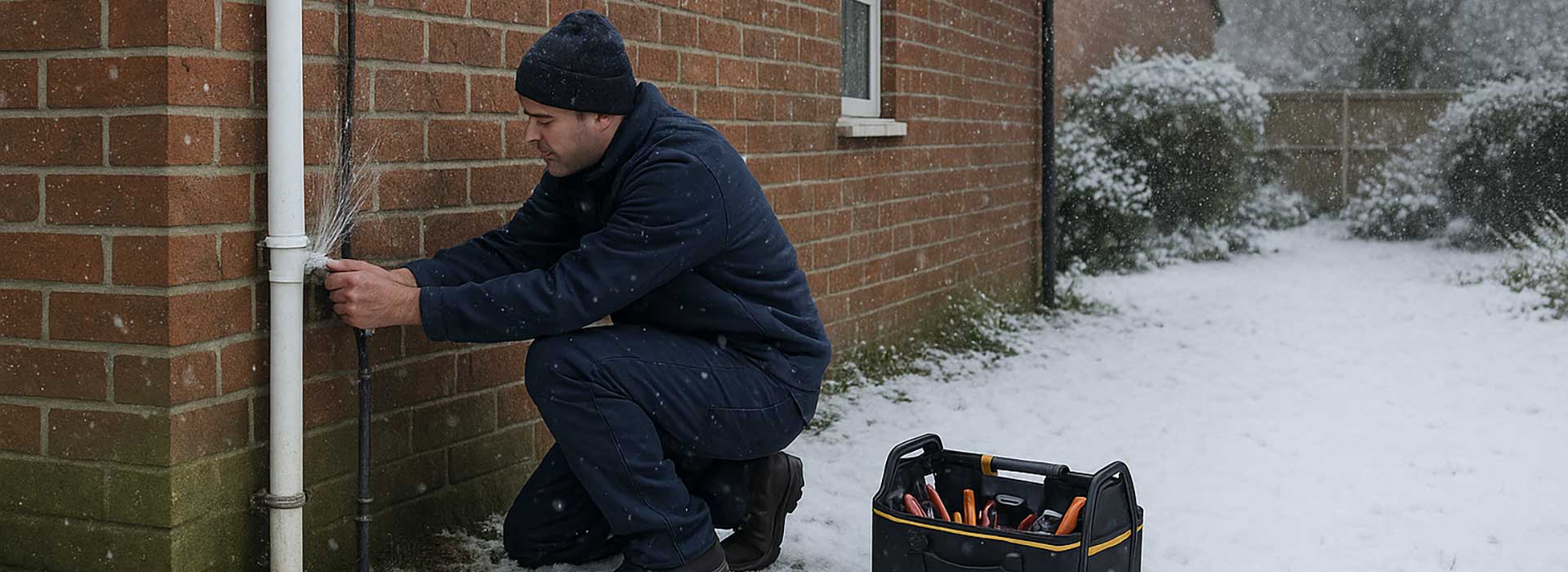
Plumbing is a skilled and rewarding trade, but it’s also full of risks. One small mistake; a burst joint, a flooded kitchen, or a customer trip on site; can cost thousands. That’s why every professional plumber needs proper insurance. It’s not just paperwork; it’s what keeps your business safe when things go wrong and your name trusted when they don’t.
The Reality of Risk on the Job
Even the most careful plumber can have a bad day. A hidden crack in a fitting, a customer stepping on a wet floor, or a boiler fault after servicing; any of these can lead to claims for damage or injury. And once a claim is made, it’s not the materials that cost the most, it’s the legal and repair bills that follow.
Insurance turns those potential disasters into manageable incidents. It lets you get on with the job knowing you’re protected financially if a claim ever lands at your door.
The Main Types of Plumbing Insurance
Several types of cover protect different parts of your business. It’s worth knowing what each one does so you can choose a policy that fits your work.
- Public Liability Insurance: Covers injury or property damage claims made by customers or the public. For example, if a client’s ceiling collapses after a leak you repaired, this policy handles the costs.
- Employers’ Liability Insurance: A legal requirement if you have staff, even part-time. It covers compensation and legal fees if an employee is injured or becomes ill through their work.
- Tool Insurance: Replaces or repairs tools that are stolen, damaged, or lost. Given the cost of modern kit, this one often pays for itself quickly.
- Professional Indemnity Insurance: Protects against claims of faulty advice or design, such as recommending the wrong type of system or giving guidance that leads to damage or loss.
- Van and Contents Cover: Optional, but essential if you carry valuable tools or parts. Standard vehicle insurance rarely covers stolen equipment from a van overnight.
Some insurers offer trade packages that combine several of these into one policy, saving time and paperwork. The key is to check what’s included and ensure the limits actually match the value of your work and equipment.
Protecting Your Reputation
Insurance does more than protect your wallet. It protects your reputation. Customers feel reassured when they know their plumber is properly insured. It shows you take responsibility seriously and that you’re prepared for the unexpected.
In the trade, reputation travels fast. One mishap handled professionally can often lead to more trust than never having had an issue at all; provided you resolve it fairly and quickly. That’s much easier when your insurer helps handle the process.
Legal and Contract Requirements
Many builders, landlords, and letting agents now insist that subcontractors hold valid liability insurance before they’re allowed on site. Without it, you risk losing work. Some domestic customers even ask for proof of insurance before agreeing to a quote; especially on higher-value projects like bathroom renovations or heating installations.
Having a policy ready to show not only meets these conditions but also puts you ahead of competitors who can’t provide documentation.
Choosing the Right Level of Cover
For most plumbers, public liability is the starting point. Cover limits usually start at £1 million and can go up to £5 million or more. If you take on commercial or council work, higher limits are often mandatory. It’s better to go slightly above what you think you’ll need rather than risk being underinsured.
When comparing policies, read the exclusions carefully. Some low-cost policies don’t include heat work, subcontractors, or water damage from leaks that occur after you’ve left the site. Those are exactly the areas where claims usually happen, so check before you buy.
Keeping Policies Up to Date
Insurance isn’t a one-time purchase. As your business grows, your cover should grow with it. Add new tools to your inventory, increase turnover estimates, and update staff numbers each year. Most insurers allow easy adjustments mid-policy, and it’s cheaper to keep cover current than risk a rejected claim later.
When Insurance Proves Its Worth
Imagine a newly installed pipe joint fails overnight, flooding a customer’s ground floor. The repair work, flooring replacement, and redecoration could easily exceed £10,000. With insurance, that cost doesn’t fall on you personally; the claim is handled and settled professionally. Without it, you’re paying from your own pocket or facing legal action. That’s the difference between a stressful setback and a contained problem.
Summary
Every plumber needs insurance because things don’t always go to plan. It protects your business, your income, and your reputation. The best policies go unnoticed most of the time; until the day you truly need them. Whether you’re a one-person operation or managing a team, proper cover means peace of mind and a business built to last.