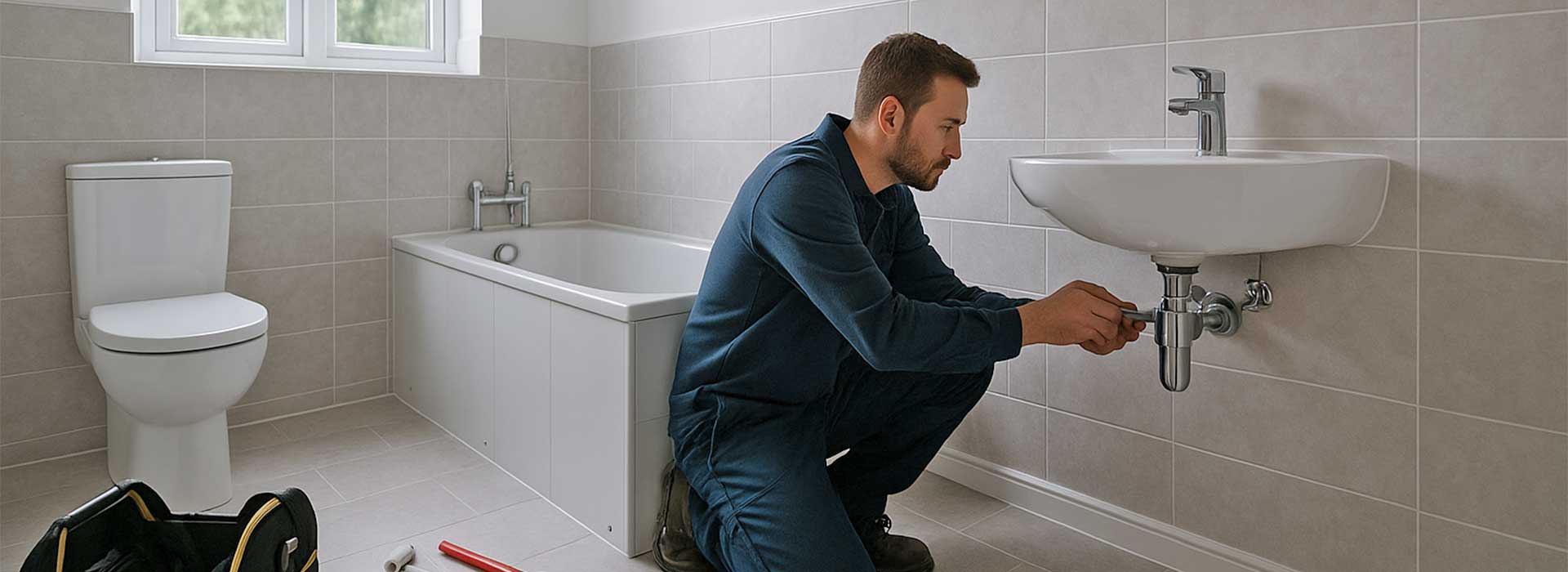
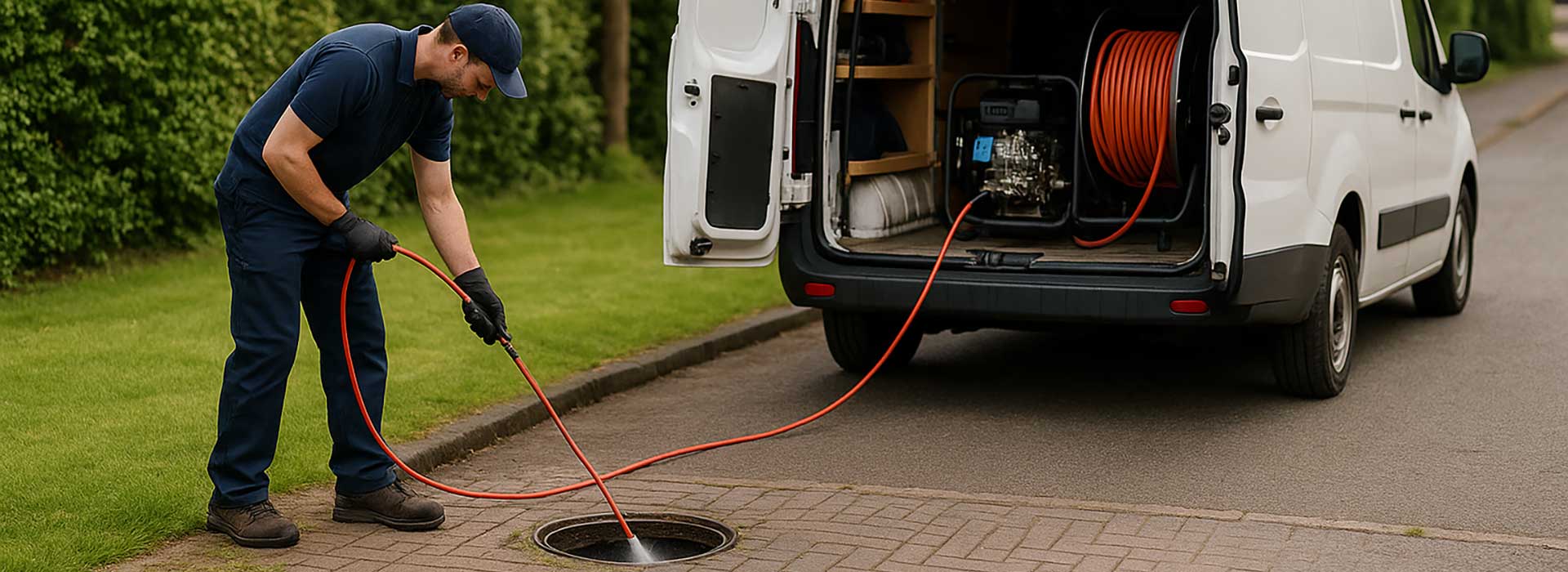
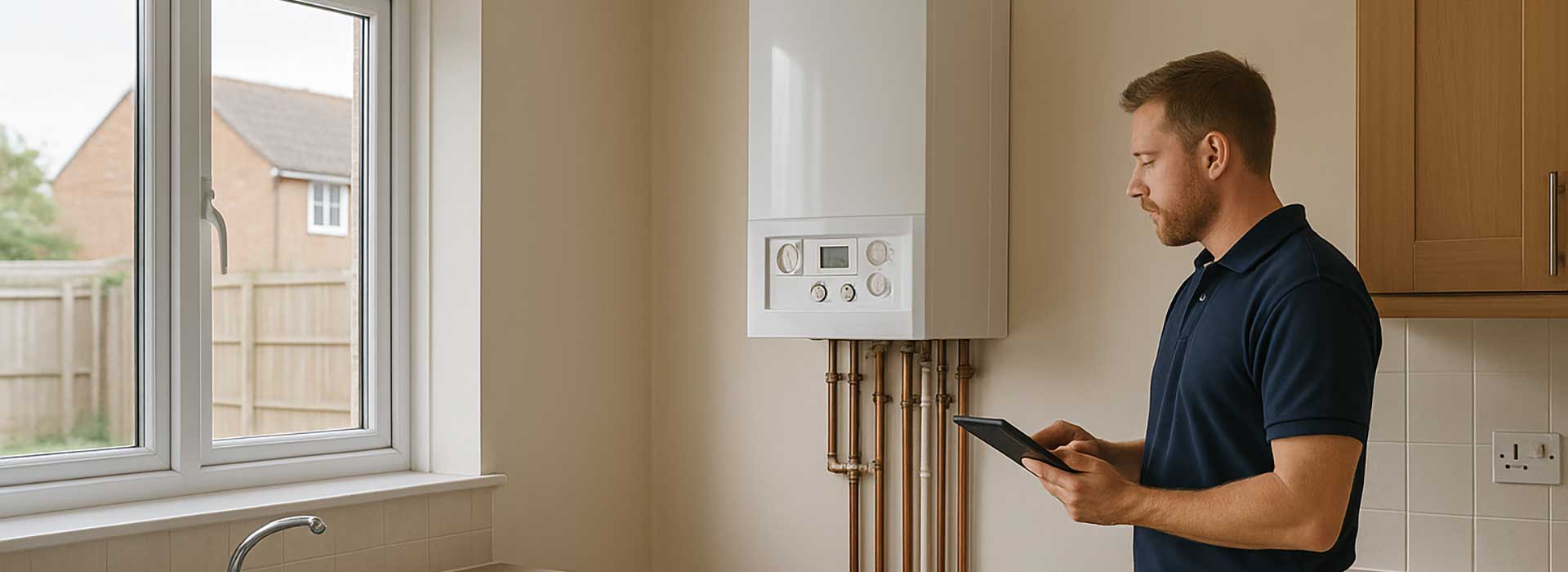
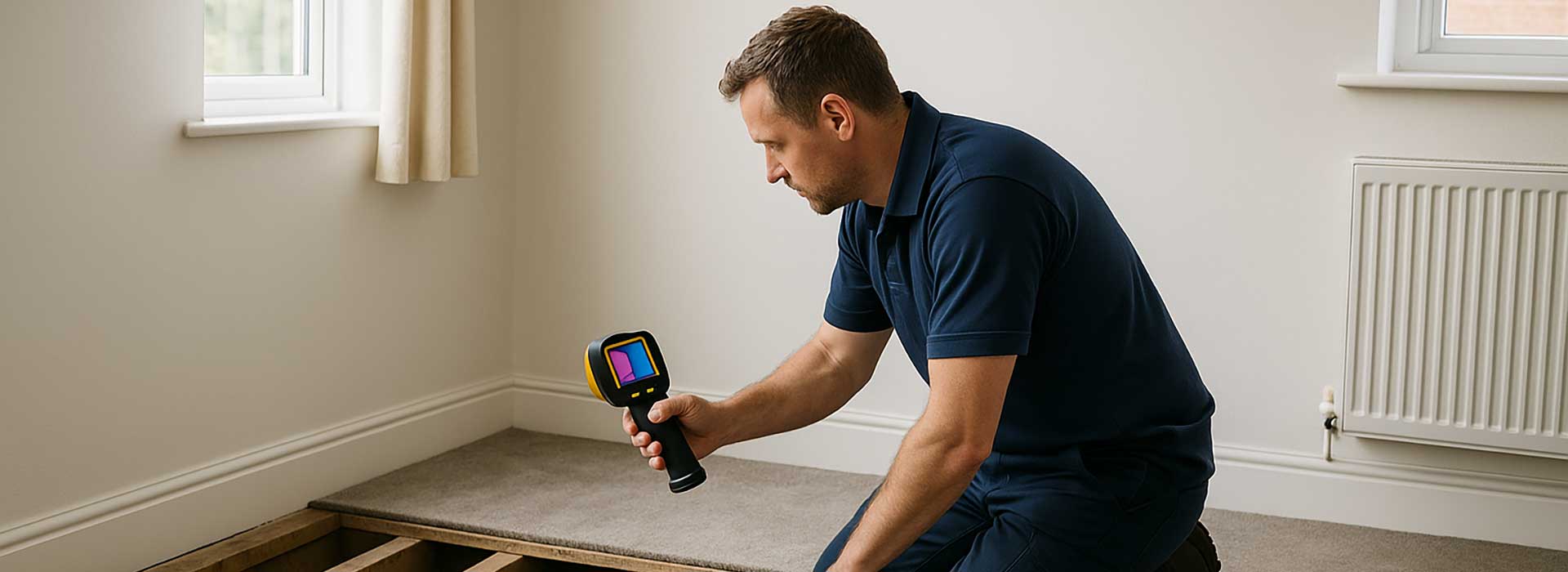
Plumbing is a trade that keeps you active, sharp, and useful; but it’s also demanding. After decades of lifting, crawling, and problem-solving, most plumbers eventually start thinking about how to wind down without losing purpose or income. Planning ahead makes all the difference. A gradual, thought-out retirement helps protect your health, your finances, and the legacy of the business you built.
Recognising When It’s Time
Many tradespeople don’t retire suddenly; they scale back. Maybe your knees or shoulders are starting to complain, or you’d rather not haul tools up another loft ladder. That’s the moment to plan rather than push on until you have to stop. Reducing hours or shifting into lighter work can extend your career comfortably while preparing for the next phase.
Some plumbers switch to inspection, quoting, or consultancy work; still within the trade, but easier on the body. The knowledge you’ve gained over the years is valuable. Passing it on can be as rewarding as any installation job.
Getting the Finances in Order
Retirement planning for plumbers isn’t just about saving; it’s about making your earnings work. Start by listing what you’ll need each month to live comfortably and compare it with your likely pension or savings income. If there’s a gap, you’ve got time to fill it before fully stepping away.
- Pensions: If you’ve been self-employed, check your personal pension or stakeholder plan. Even small top-ups in your final working years can make a big difference later.
- National Insurance record: Review your state pension forecast through GOV.UK. Make up any missing contributions if possible.
- Business assets: Your tools, van, and client base all hold value. Selling or transferring them can fund part of your transition.
- Debts: Clear outstanding loans before retiring. It’s easier to budget when monthly outgoings are minimal.
If finances allow, consider bringing in an accountant or financial adviser familiar with trade businesses. They can help with tax efficiency and pension drawdown options so your money lasts as long as you need it.
Phasing Out of Physical Work
Going from full-time work to full-time rest can be a shock. Many plumbers choose to step down gradually: fewer emergency callouts, more planned jobs, and longer gaps between contracts. You might take on trusted apprentices or subcontractors to handle the physical work while you focus on supervision and client relations.
This stage also gives you space to test retirement life; more time at home, but still connected to the trade. It keeps income flowing and gives customers confidence that you’re still around for advice and maintenance contracts.
Passing On Knowledge
After years of hands-on work, you’ve built up a level of experience that’s worth sharing. Consider mentoring a young plumber, teaching part-time at a local college, or offering consultancy on specialist systems like heating controls or renewable installations. It’s a satisfying way to give back to the trade and stay mentally active without the physical strain.
Some retiring plumbers even turn their business name into a small training or inspection service; working fewer hours, but maintaining professional purpose and pride.
Health and Lifestyle Considerations
Retirement isn’t just financial; it’s physical and emotional too. Years of lifting and bending can take a toll, so building fitness and mobility early helps you enjoy the years ahead. Routine health checks, stretching, and light exercise keep old injuries at bay.
Beyond the body, think about how you’ll fill your time. Many retired tradespeople struggle with the sudden lack of structure. Hobbies, volunteering, or community projects can replace that daily sense of achievement plumbing once provided. Staying active; in some form; is key to a healthy retirement.
Succession Planning
If you run a business with staff, plan how to exit smoothly. Hand over management responsibilities gradually, document key processes, and ensure customers know who will look after them once you retire. A clear succession plan protects your team, your clients, and your reputation.
Some plumbers sell their customer list or business name to another local firm. It’s a practical way to extract value from the goodwill you’ve built and ensures your regulars continue to receive quality service.
Keeping Options Open
Retirement doesn’t have to mean walking away completely. You might choose to stay available for light maintenance jobs or specialist advice on older systems. A few days’ work a month keeps skills sharp and adds a little income without full-time pressure. The beauty of being self-employed is that you can retire at your own pace.
Summary
Planning retirement from plumbing is about more than stopping work; it’s about shaping the next chapter of life with intention. Ease out gradually, prepare financially, look after your health, and pass on your knowledge where you can. The skills you’ve built over decades still matter, even when the wrench finally goes back in the toolbox.