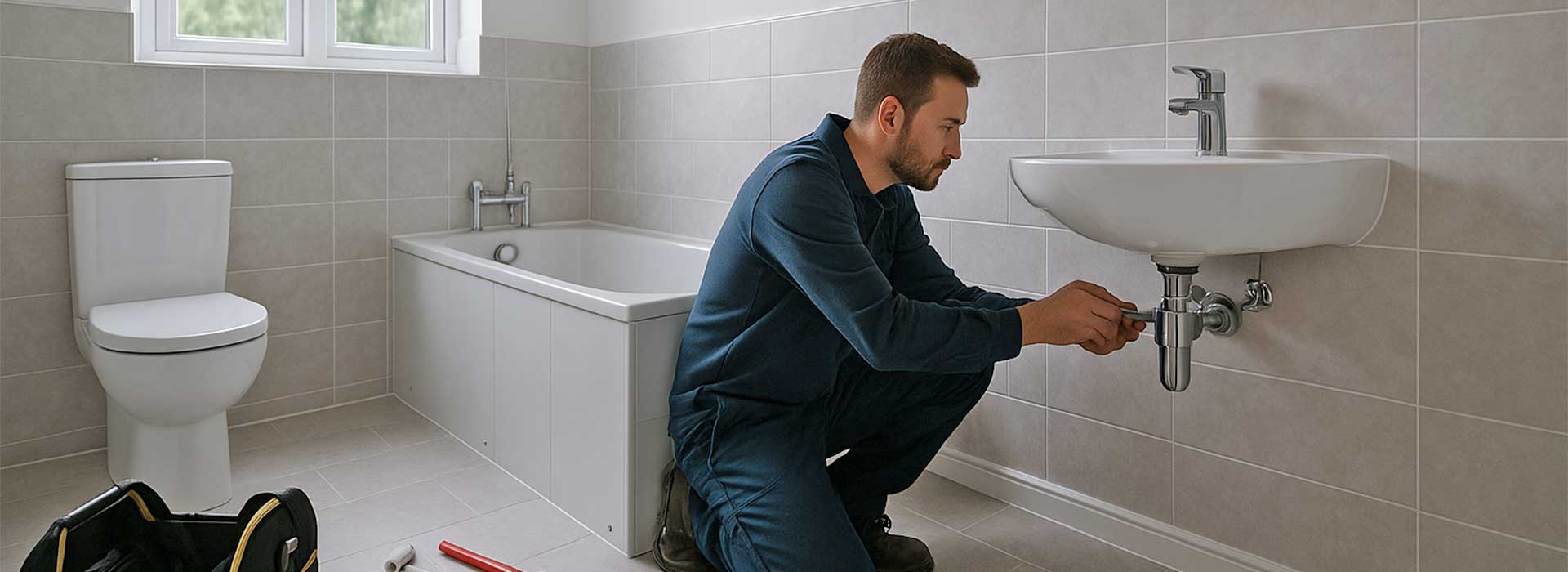

Every plumber ends up with a bucket or box full of old fittings; elbows, couplers, valves, compression joints; all in decent condition but pulled from previous jobs. The question is, can they be used again? Re-using fittings can save money and reduce waste, but only when done safely and with a good understanding of where it’s acceptable and where it’s not. The rule is simple: reuse only what you’d be confident fitting in your own home.
When It’s Safe to Re-use
Some fittings are designed to be reused, while others are strictly one-use. Understanding the difference keeps both your customers and your reputation safe. In general, you can safely re-use:
- Brass compression fittings: Perfectly fine to re-use if the body and threads are undamaged. Always replace olives and compression nuts to ensure a fresh seal.
- Metal valves and couplings: Serviceable brass or copper fittings can often be reused after thorough cleaning. Replace any washers or seals inside.
- Threaded iron or brass fittings: If the threads are clean, free from corrosion, and seal properly, they can be reused with fresh PTFE tape or compound.
- Press fittings: Only if they’ve never been crimped. Once pressed, they’re single-use and should never be re-installed.
Plastic fittings, push-fits, and anything under manufacturer warranty generally shouldn’t be reused. The seals inside degrade with time and exposure, and once disturbed they rarely reseal as designed.
When Not to Re-use
There are plenty of times when replacing is the only safe option. Never re-use fittings that show:
- Visible cracks, dents, or thread damage.
- Corrosion or green staining around joints.
- Deformed sealing surfaces or seized nuts.
- Evidence of previous heat damage from soldering or torch work.
Boiler, gas, and high-pressure system fittings should always be replaced with new. The risk is simply too high, and the cost of failure far outweighs the saving.
Cleaning and Inspection
Before re-using any fitting, clean it thoroughly. Remove old jointing compound, PTFE tape, or flux residue using a wire brush or suitable solvent. Check threads for wear, burrs, and uniform shape. Shine a torch inside to look for hairline cracks or pitting that might not show at first glance.
If you’re re-using compression or threaded joints, fit new olives, washers, and seals every time. They’re inexpensive and essential to achieving a watertight connection. Never try to “make do” with old olives; they deform to the original pipe and won’t seat properly again.
Testing Re-used Fittings
Once installed, pressure-test every joint. Bring the system up gradually, checking for any signs of moisture or air bubbles around the re-used fitting. A slow weep might not appear immediately, so it’s worth leaving the system under pressure for a short period to confirm integrity.
For heating systems, always re-fill with inhibitor to prevent corrosion. For potable water, ensure any reused parts are WRAS-approved and still suitable for drinking water applications.
Reducing Waste Without Cutting Corners
Re-using fittings responsibly is as much about reducing waste as saving money. Keep your reuse stock organised; one box for fittings that are genuinely serviceable, another for scrap metal recycling. Clearly label anything that’s not to be refitted. The goal is to stay efficient without compromising safety or professionalism.
If you find yourself re-using too often out of convenience, it’s time to restock. Customers expect reliability, and that means knowing when to install new instead of relying on “it’ll do.”
Document and Communicate
For larger jobs or contract work, note where re-used fittings have been installed. It’s good practice and shows accountability if any future issue arises. If the customer asks, explain honestly that you’ve reused parts that are safe and proven, not worn-out leftovers. Transparency builds trust and highlights your attention to both quality and sustainability.
Summary
Re-using fittings safely comes down to judgment and care. Replace seals, clean thoroughly, test properly, and never compromise on gas or high-pressure work. Done right, it saves time, money, and waste; proof that good plumbing practice and sustainability can go hand in hand.