Risk assessments often sound like something for big construction sites, not quick plumbing jobs. But every job carries some level of risk, whether it’s a leaking cylinder, confined space, or live electrics near water. The trick is keeping your assessments proportionate; enough to stay safe and compliant, without drowning in paperwork.
Why Even Small Jobs Need Assessment
It only takes a few seconds for an accident to happen. A quick review before you start protects you, your customer, and your reputation. For self-employed plumbers, it also shows professionalism and helps prove due diligence if anything goes wrong later. Health and safety rules don’t vanish because a job is small; they just scale to fit.
Think of it as part of your routine: observe, plan, and act; not as a bureaucratic exercise, but as another tool for working smart.
What to Check Before You Start
A few key points should form the backbone of every small-job assessment:
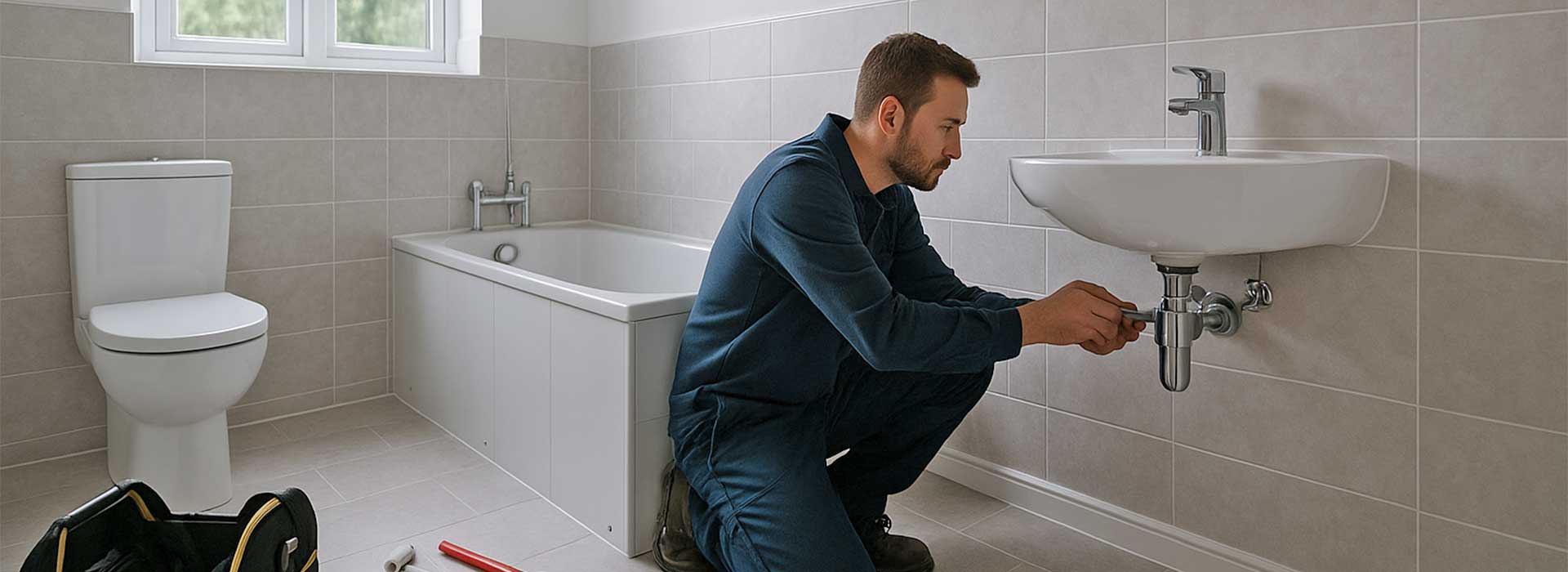
- Environment: check for trip hazards, clutter, or leaks on the floor. Identify escape routes in case of fire or flooding.
- Electrics: look for nearby sockets, exposed cables, or consumer units close to water.
- Access and stability: make sure ladders or hop-ups are secure and floors can bear your weight and tools.
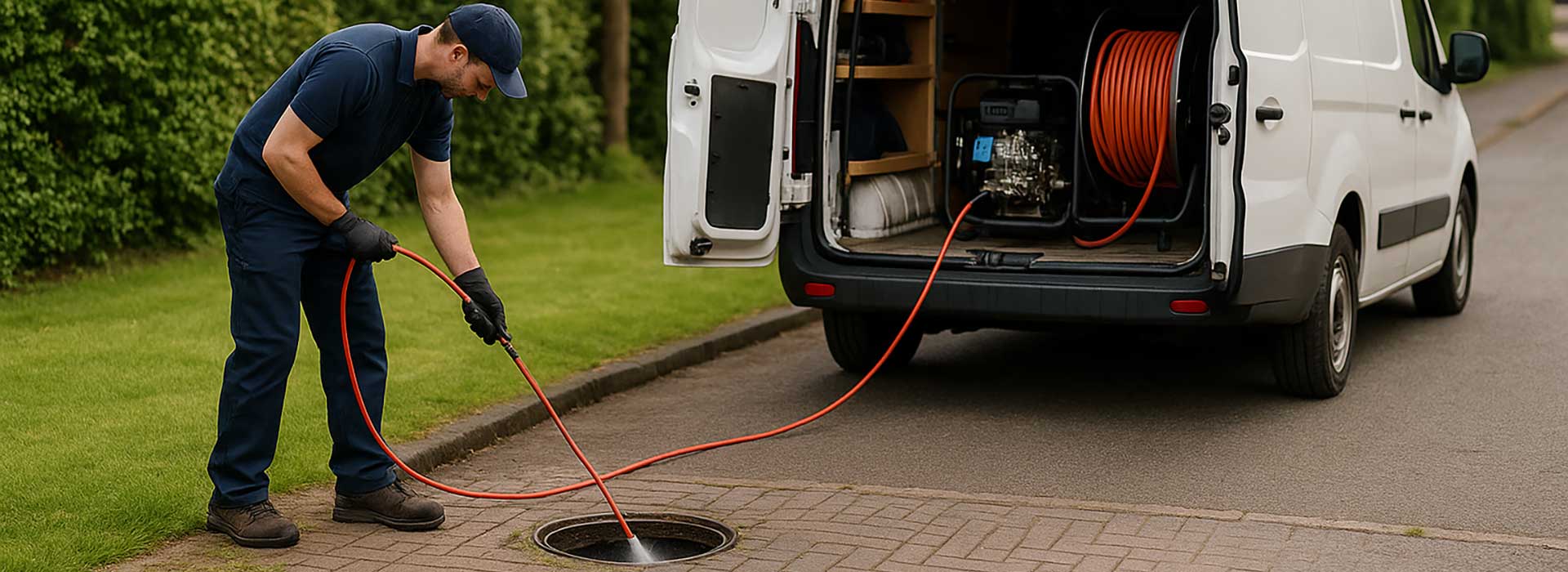
- Substances: note if you’re handling chemicals, sealants, or gas bottles and ensure ventilation.
- Customer presence: confirm others in the property; children, pets, or vulnerable adults; are kept clear of hazards.
All of this takes less than a minute but prevents the kind of slip-ups that lead to delays, injuries, or claims.
Keep Records Practical
For one-person plumbing businesses, a simple written or digital checklist is enough. You don’t need a lengthy document for a tap washer replacement, but noting the main hazards and controls can still be valuable. Use your phone’s notes or a small printed form with tick boxes; environment clear, tools inspected, PPE fitted, customer informed. It takes moments to complete and shows a clear safety habit.
If you employ staff or apprentices, have them complete their own quick checks too. It reinforces responsibility and builds safe habits early on.
Adjusting for Different Job Types
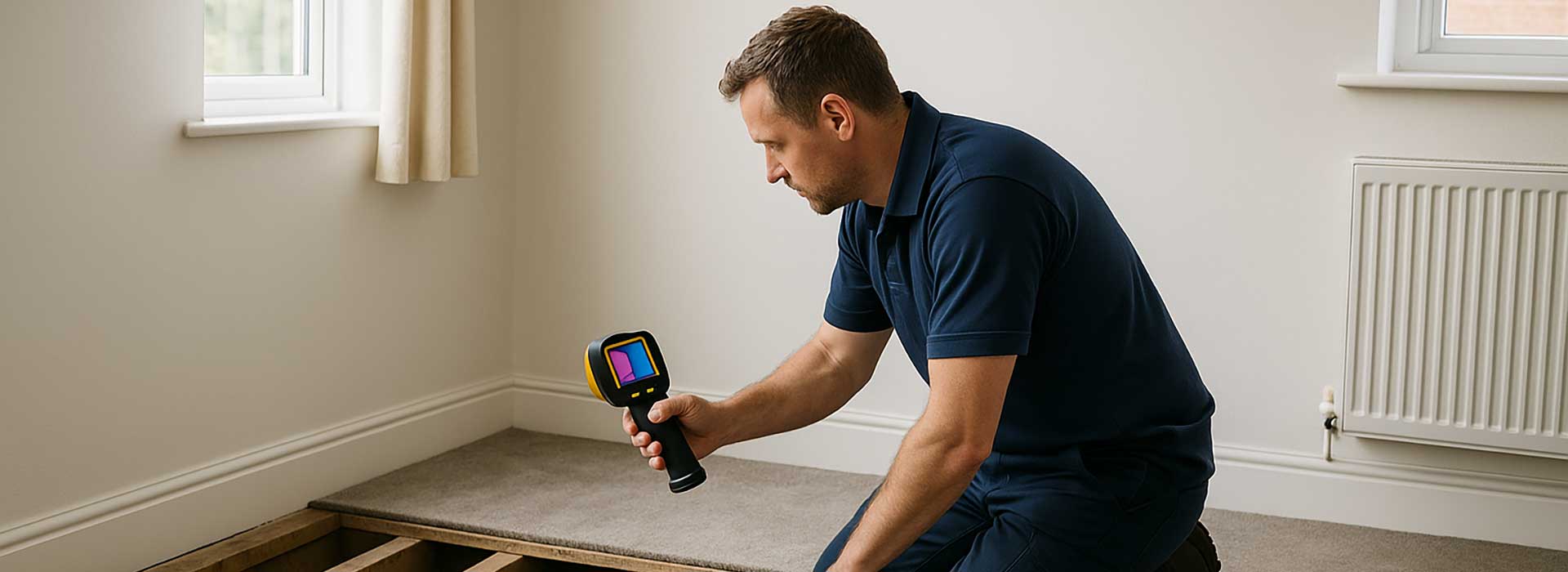
Not all small jobs are equal. A five-minute repair in a clean kitchen isn’t the same as cutting out pipework in a cramped loft. Adjust the level of detail to match the risk:
- Low risk: quick inspections, simple repairs, surface cleaning. A mental check and tidy work area may be enough.
- Moderate risk: tasks involving heat, pressure, or chemicals. Record control measures; gloves, eye protection, ventilation, isolation valves.
- Higher risk: roof work, gas, or electrical proximity. Carry out a written assessment and brief any helpers or apprentices before starting.
Using Templates and Digital Tools
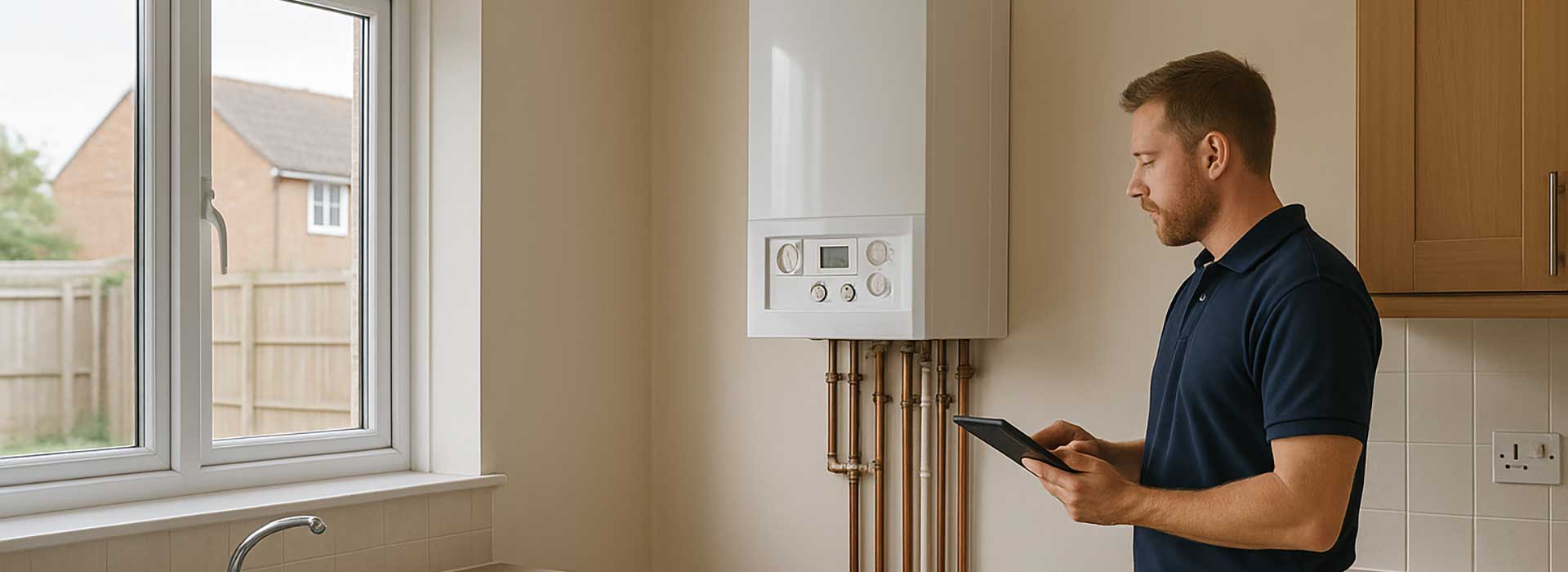
Many trade apps include built-in risk assessment templates. They let you select common hazards, tick relevant controls, and generate a PDF for your records or client. For repeat customers or landlords, this builds a professional track record that supports future work and compliance checks.
If you prefer paper, laminate a reusable sheet with the key categories and use a dry marker. Quick, visible, and no printer required.
When to Review or Update
Risk assessments aren’t one-and-done. Conditions change; lighting fails, tools wear out, or the customer starts using the work area mid-job. If anything shifts, take a moment to reassess. The best plumbers don’t treat safety as a formality; they treat it as part of good practice.
After a near miss or issue, review what happened and adjust your checklist accordingly. Continuous improvement keeps you safer and speeds up the process next time.
Summary
Managing risk assessments on small jobs doesn’t mean filling out long forms; it means thinking ahead. A quick structured check; environment, tools, substances, people; keeps you compliant and reduces the chance of anything going wrong. The goal is safety without fuss: a few seconds of preparation that protect you, your clients, and your working day.