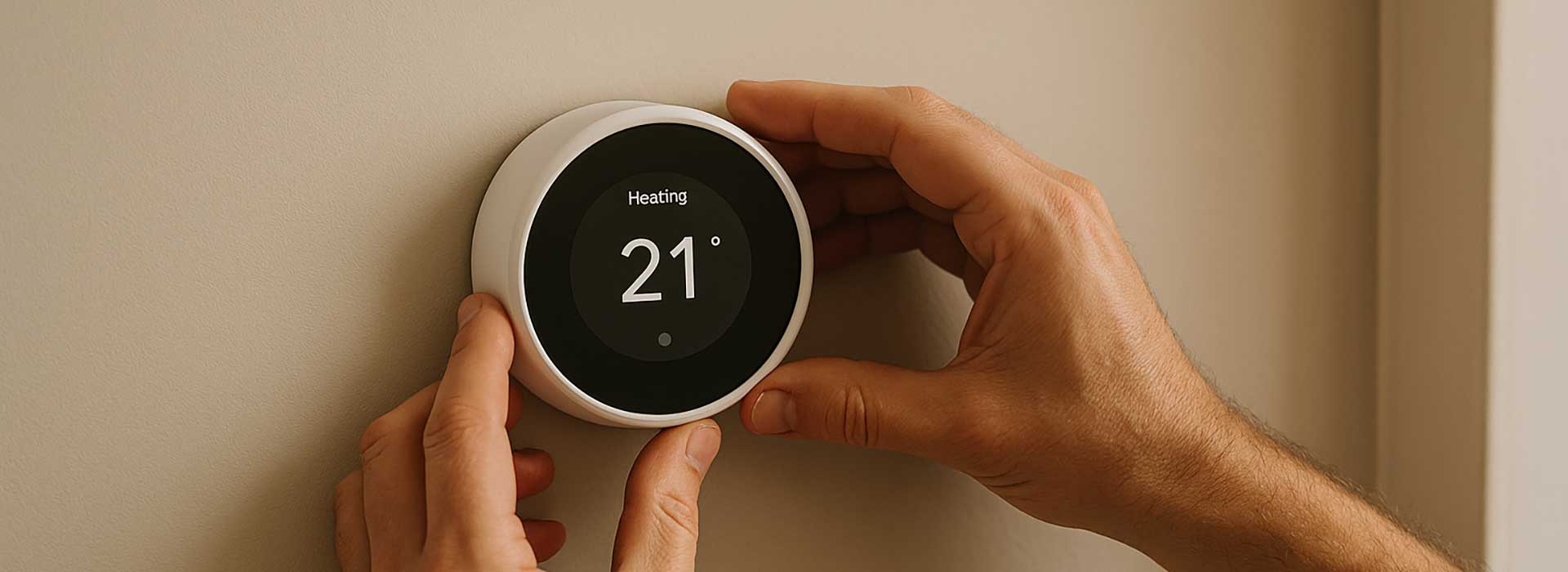
Smart heating controls are no longer a luxury add-on; they’ve become a natural next step for many homes. But for plumbers and heating engineers, talking about them can feel awkward. You want to suggest improvements without sounding like a salesperson. The trick is to focus on benefits, not persuasion, and to help customers see how small upgrades make everyday life easier.
Start with the Customer’s Situation
Upselling works best when it feels like advice. Ask how the customer currently uses their heating rather than launching straight into features. For example:
“Do you find you’re always adjusting the thermostat or leaving it running when you’re out?”
That sort of question opens the door naturally. It helps you understand their habits; and shows you’re thinking about their comfort, not your commission. Once you know how they live, you can point out how a smart system fits their routine.
Show Practical Benefits, Not Just Technology
Most people don’t care about Wi-Fi chips or app interfaces. They care about convenience and savings. Keep it simple: explain that smart controls let them set heating schedules, monitor use, and avoid wasting energy. Real examples help more than technical talk:
“You can turn the heating off from your phone if you forget before leaving.”
“It learns when the house warms up fastest, so it stops you overheating the place.”
Those small, relatable examples make the idea sound helpful, not complicated.
Offer Options, Not Pressure
No one likes feeling pushed. Present two or three clear options and let the customer decide. For instance:
- Basic programmable thermostat; straightforward control with simple schedules.
- Smart upgrade; app control, energy reports, and remote adjustment.
- Full home system; room-by-room zoning and smart radiator valves.
This approach makes the upsell transparent. The customer can see the range of possibilities without feeling cornered. If they want time to think, leave them a short leaflet or send a link to the manufacturer’s guide; never pressure for a decision on the spot.
Use Demonstrations to Build Confidence
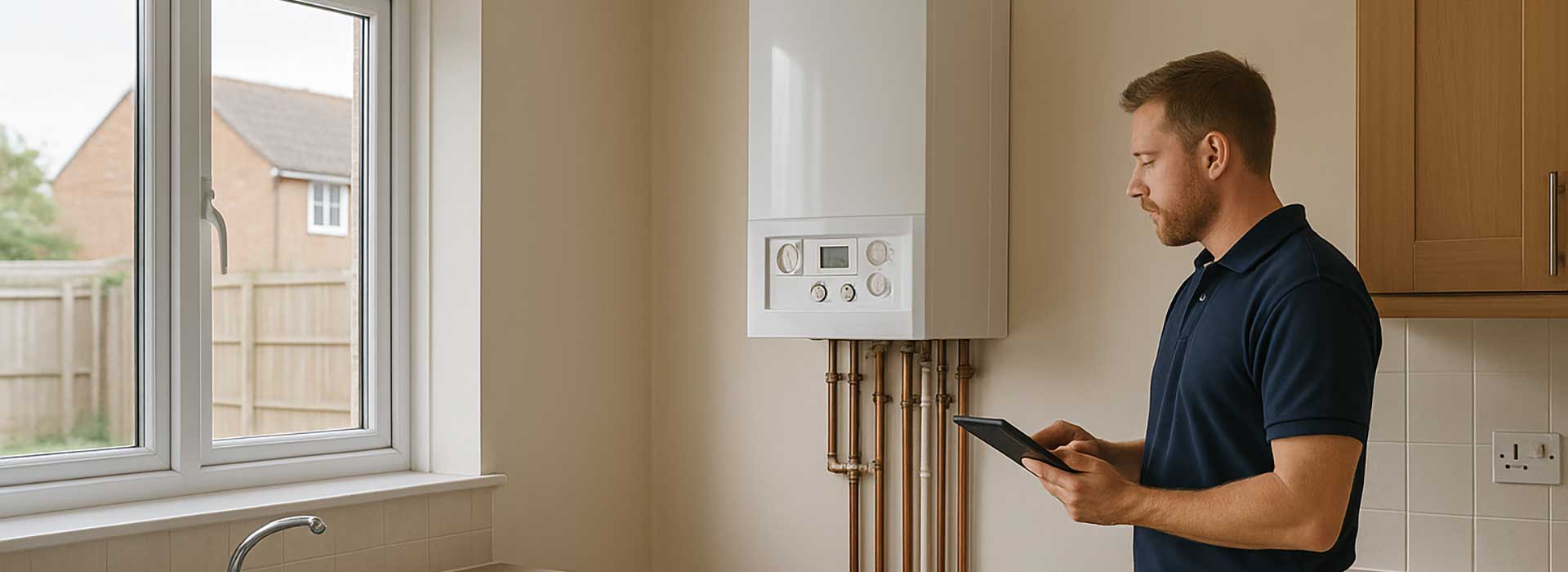
People often buy what they can see. If possible, keep a working demo on your phone or tablet. Showing how you control your own system; adjusting temperature, checking usage, or turning off the heating while out; builds trust instantly. It proves you use the technology yourself and know how it performs in the real world.
Even a quick demonstration of a thermostat interface or app layout makes the idea less abstract and more approachable.
Link It to Energy Efficiency
Customers are more open to upgrades when they see them as practical savings, not gadgets. Smart controls can trim heating bills by preventing wasted energy and keeping temperatures steady. Make the connection between efficiency and comfort clear; less heat wasted means lower costs and fewer complaints about cold spots.
If the customer’s boiler is new, mention that modern controls help them get the most from it. For older systems, explain how smart thermostats can improve comfort without replacing the boiler itself.
Be Honest About Limitations
Not every home is a perfect fit. If the customer has patchy Wi-Fi, older wiring, or a very simple setup, say so. Recommending against an upgrade when it’s unsuitable builds long-term trust. They’ll remember your honesty next time they need a plumber; and probably mention it to others.
Integrate It Into the Quote Naturally
When quoting, include the smart control as an optional line item rather than a hard sell. Something like:
“Optional upgrade: smart thermostat with remote control via phone app; adds £150 fitted.”
This keeps it professional and transparent. Many customers appreciate the choice and often take the option once they’ve had time to think about it.
Why Soft Selling Works Best
Pressure creates resistance. Advice creates trust. When you talk about smart controls as part of better system performance; not a gadget to upsell; customers feel supported, not sold to. That trust builds repeat work, referrals, and a reputation for professionalism.
Upselling doesn’t have to feel like selling at all. Done right, it’s simply about helping customers make informed decisions that genuinely improve their homes; and that’s something every good plumber can stand behind.