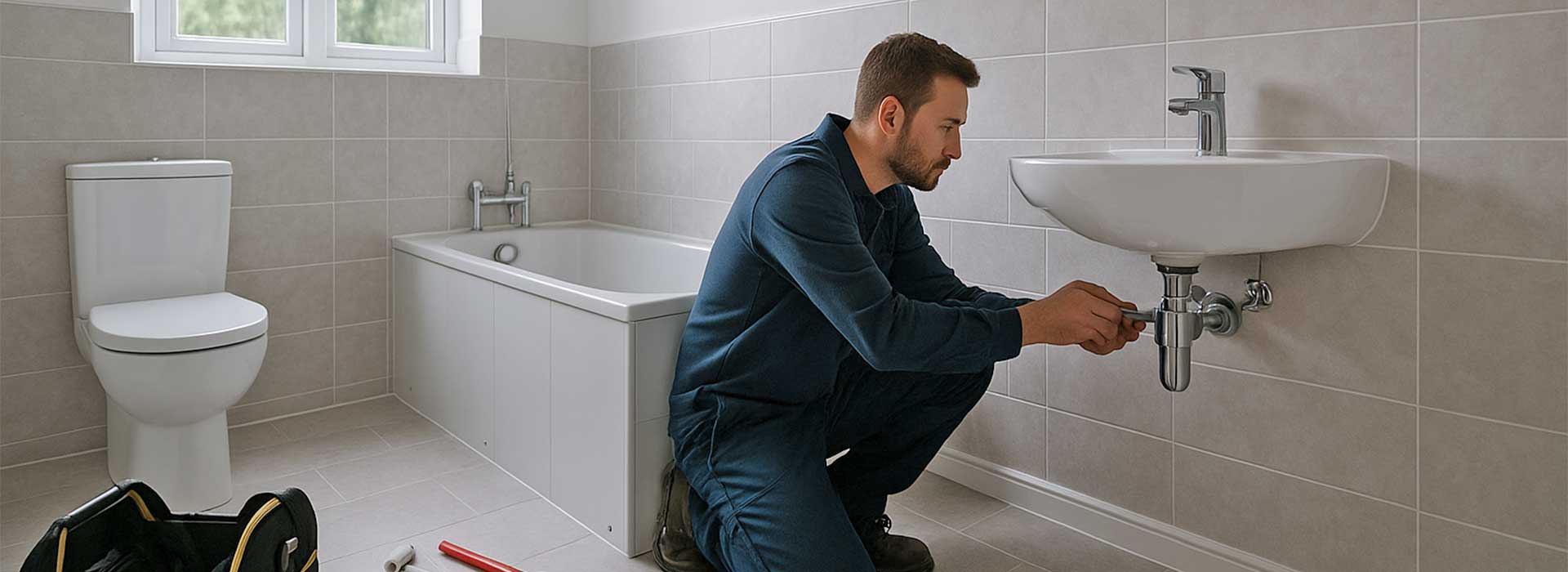
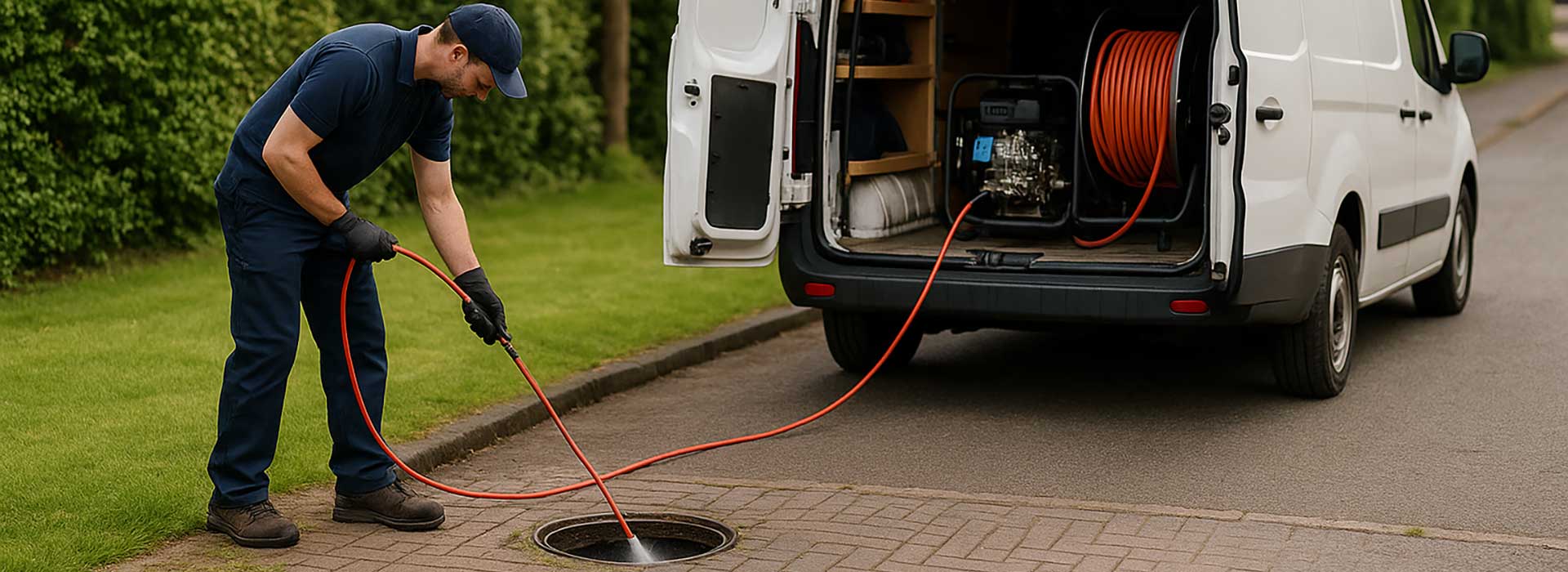



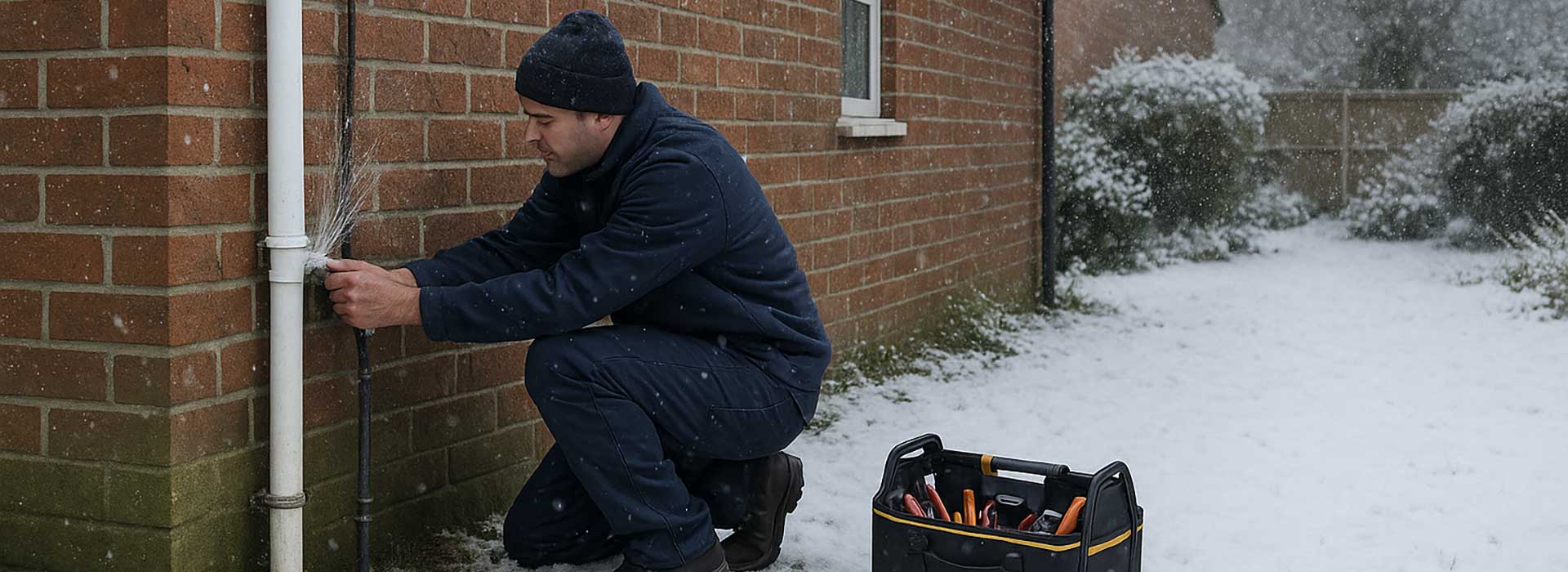
Running a trade business means juggling plenty; customers, deadlines, tools, and of course, the risk that something might go wrong. Insurance isn’t exciting, but it’s what keeps you afloat when the job takes a bad turn. Whether you’re a one-person plumbing outfit or managing a small team, knowing what cover you really need can save both money and stress later.
Start with Public Liability Insurance
If you only buy one policy, make it public liability. It protects you if a customer, visitor, or member of the public is injured, or if their property is damaged during your work. A burst pipe, a trip over your tools, or a leak through a ceiling; they can all lead to claims worth thousands.
Look for cover that matches the scale of your jobs. Domestic plumbers can often manage with £2–5 million; larger commercial work may require more. Check whether the policy includes “products liability” too, as this covers you if a fitting you supplied causes damage later on.
Cover Your Tools Properly
Your tools are your livelihood, and losing them can stop work instantly. Tool insurance covers theft, accidental damage, and sometimes hire costs for replacements. But the fine print matters.
- Make sure you’re covered overnight; some policies only apply if the van’s in a locked garage or compound.
- Check that “new-for-old” replacement applies to power tools, not just hand tools.
- Keep receipts, serial numbers, and photos; they make claims faster and smoother.
Many tradespeople learn too late that their tools aren’t covered when left in the van overnight. If you can, install a vault or lock box and tell your insurer; it often reduces the premium.
Think About Vehicle Insurance That Fits Your Work
A van policy isn’t just car insurance with different wording. Look for business-use cover that includes tools and materials in transit. Some insurers also include roadside recovery and courtesy vans; a real help if your vehicle is stolen or off the road after a crash.
If you use more than one van or share with other trades, ask about fleet or multi-vehicle cover. It’s usually cheaper and easier to manage than several individual policies.
Employers’ Liability; A Legal Must for Staff
If you employ anyone, even part-time or casual help, you must by law have employers’ liability insurance. It covers compensation claims if a worker gets injured or ill as a result of their job. The minimum legal cover is £5 million, but most insurers provide £10 million as standard.
Keep the certificate handy; inspectors can ask to see it, and fines for not having it are steep. Even for family businesses, this rule applies unless everyone is truly self-employed.
Professional Indemnity; When Advice Counts
For trades that offer design or consultancy work, such as heating system layouts or bathroom planning, professional indemnity insurance is worth considering. It covers you if advice or specifications you provide lead to a loss for the client. Not everyone needs it, but for those who do, it can be the difference between a claim and a crisis.
Know What’s Not Covered
Exclusions trip up many tradespeople. Most insurers won’t pay for faulty workmanship itself; only the damage it causes. For example, if a joint you fitted fails, they’ll cover the water damage but not the cost of re-doing the pipework. Similarly, they expect you to take “reasonable care”: unlocked vans, unguarded tools, or missing paperwork can all void claims.
- Read your policy schedule; the summary pages show limits and conditions clearly.
- Check excess amounts; small claims aren’t worth it if the excess is high.
- Review cover annually; your business value and equipment costs will change.
Bundle Wisely, Not Blindly
Insurers love bundling policies, and it can save money; but only if the cover actually fits. A combined tradesman policy often includes liability, tools, and van cover under one roof, which is easier to manage. Just check for duplication; paying twice for the same cover wastes cash fast.
Using a broker who understands trades can help here. They know which policies suit plumbers, electricians, and builders best, and can tweak excesses or limits to fit your workload and budget.
Keep Records and Stay Honest
Insurance works on trust. Declare everything accurately; even small things like occasional subcontracting or weekend work. Hiding details to lower a premium can void a policy when it matters most. Keep good records: quotes, invoices, photos of completed jobs, and a list of tools. They all back you up if a claim arises.
Once a year, run through your cover with fresh eyes. Are your tools worth more now? Have you started gas or electrical work? Did you take on staff? Small changes need updating. It takes ten minutes and can save you thousands later.
Protection You Can Rely On
Good insurance isn’t about ticking boxes; it’s about keeping your trade steady when something goes wrong. A few solid policies, checked regularly, give you peace of mind to focus on the work itself. After all, it’s easier to run a business when you know that if the unexpected happens, you’re already covered and ready to carry on.