


Powered by Quotezone
Insurance comparison information
Prudent Plus Limited is an Introducer Appointed Representative of Seopa Ltd, Floor 4, Blackstaff Studios, 8-10 Amelia Street, Belfast, BT2 7GS. Seopa Ltd is authorised and regulated by the Financial Conduct Authority, FRN 313860. Quotezone is a trading style of Seopa Ltd and provides the insurance comparison service.
Prudent Plus Limited may receive a commission if a policy is purchased following an introduction, at no additional cost to you. We do not provide personal insurance advice.
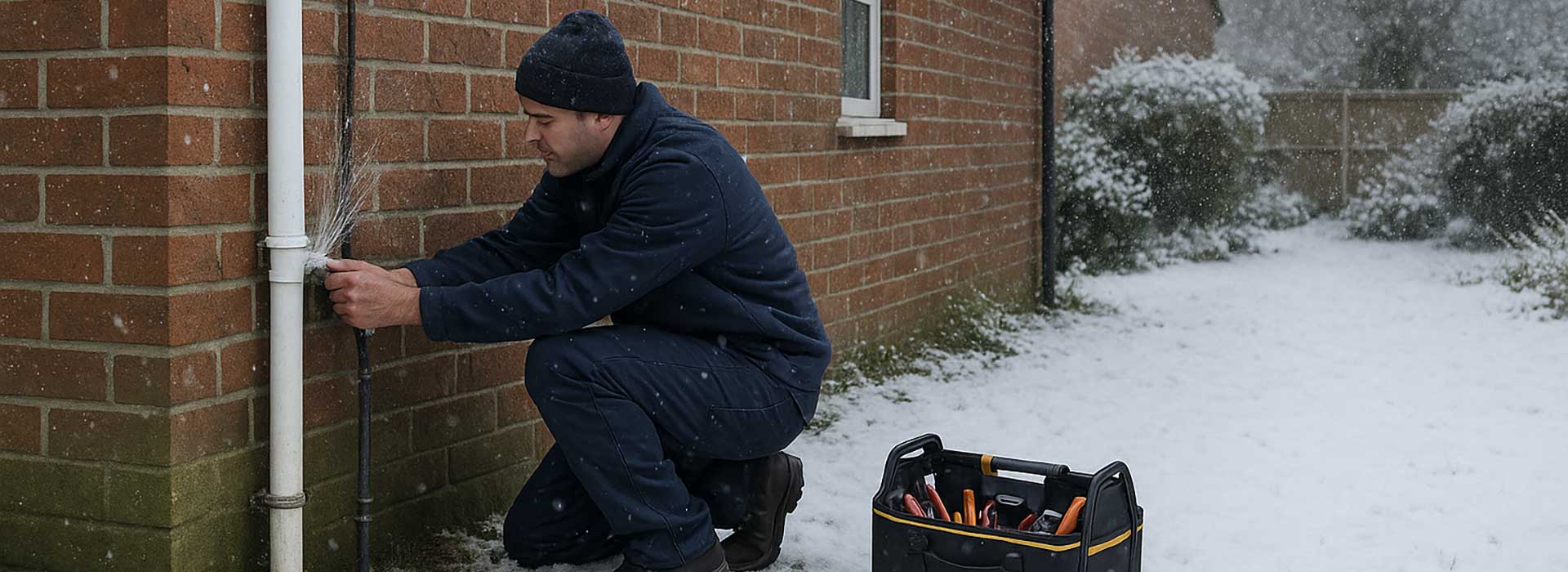
When the temperature drops, plumbing jobs don’t stop; if anything, they multiply. But while you’re helping customers deal with burst pipes and frozen systems, your own van faces the same risks. Cold weather affects batteries, fuel, tyres, locks, and even the tools you rely on every day. Winterising your van isn’t about being cautious; it’s about keeping your business mobile when the frost bites.
Start with a Full Check-Up
Before winter sets in, give your van a proper inspection. You don’t need a full service; just a focused look at what cold weather strains most:
- Battery: Check voltage and terminals. Weak batteries fail fast in freezing conditions, and jump-starts waste time on cold mornings.
- Tyres: Inspect tread depth and pressure. Cold air lowers pressure, which affects grip and fuel efficiency. Consider switching to winter tyres if you travel on rural routes or icy roads.
- Lights and wipers: Replace any weak bulbs and fit winter-grade wiper blades. Dirty lights and smearing screens are a recipe for accidents in low light.
- Fluids: Check coolant, brake fluid, and screen wash. Make sure screen wash is mixed for freezing temperatures; the summer blend won’t do.
A half-hour check can save hours of downtime later. Many garages offer quick winter inspections for a modest fee, which is worth booking if you’re too busy to do it yourself.
Keep the Engine Healthy
Diesel engines are tougher to start in the cold. Use high-quality fuel and consider an anti-wax additive if temperatures regularly drop below zero. Change the fuel filter if it’s due; sludge and condensation build up faster in winter. Let the glow plugs do their job before cranking the engine; rushing it can drain the battery.
Short, stop-start journeys are hard on engines, especially when they never warm up properly. Whenever you can, take the van for a longer drive once a week to burn off moisture and carbon build-up.
Protect Your Tools and Fittings
Tools don’t like the cold any more than engines do. Keep them dry and off the metal floor wherever possible. Cold steel draws condensation, and that’s how rust creeps in. Use lined tool boxes or insulated storage drawers if you have them. For copper and plastic fittings, store them in sealed containers or boxes; frost can make some plastics brittle and split when handled.
If you keep sealants, flux, or glues in the van, take them indoors overnight. Many freeze solid, then separate or spoil. It’s one of those small habits that saves a lot of waste come morning.
Insulate and Organise
A bit of insulation inside the van makes a surprising difference. Basic foam panels or foil-backed lining on walls and doors help stabilise temperature and reduce condensation. If you carry water or chemicals, lag them or store them in insulated boxes. A cheap roll of pipe insulation can stop frozen fittings or split hoses overnight.
Keep the layout practical for winter: heavier kit low down, essentials near the door, and nothing loose that can slide on icy mornings. Non-slip mats or grip tape on the floor stop accidents before they start.
Don’t Forget Security
Dark winter mornings and early evenings make vans easier targets. Check locks, replace weak ones, and keep valuables out of sight. Condensation can freeze locks solid, so a quick squirt of WD-40 or silicone spray before the freeze helps. Carry a spare can of de-icer; and not just in the van; you’ll need it before you can get in.
Some tradespeople use small rechargeable heaters or moisture traps overnight to stop internal condensation. It’s a simple touch that keeps the cab dry and glass clear for the next start-up.
Emergency Kit Essentials
Every winter-ready van should carry a small emergency pack. You’ll thank yourself when you’re stuck on a remote road at dawn. Keep it simple:
- De-icer and an ice scraper.
- High-visibility jacket and gloves.
- Jump leads or a portable booster pack.
- Torch and spare batteries.
- Blanket or spare coat.
- Basic first-aid kit.
- Phone charger or power bank.
These take little space but can turn a miserable delay into a manageable one. A flask and some snacks never go amiss either.
Routine Matters More Than Gadgets
Winterising isn’t about fancy gear; it’s about routine. Keep the van clean, check fluids weekly, and let the engine run for a minute before moving off. Empty the load area of unnecessary weight and rubbish; the lighter the van, the less strain in cold conditions. And when frost hits, cover your windscreen overnight; it saves time and frozen fingers in the morning.
Prepared Vans Keep You Working
Cold weather always finds weak spots, but a bit of forethought keeps you on the road while others are stuck at home. A warm cab, reliable battery, and dry tools mean fewer delays and happier clients. Winter brings enough challenges without adding preventable ones; so give your van a little attention before the frost arrives, and it’ll pay you back every mile of the season.